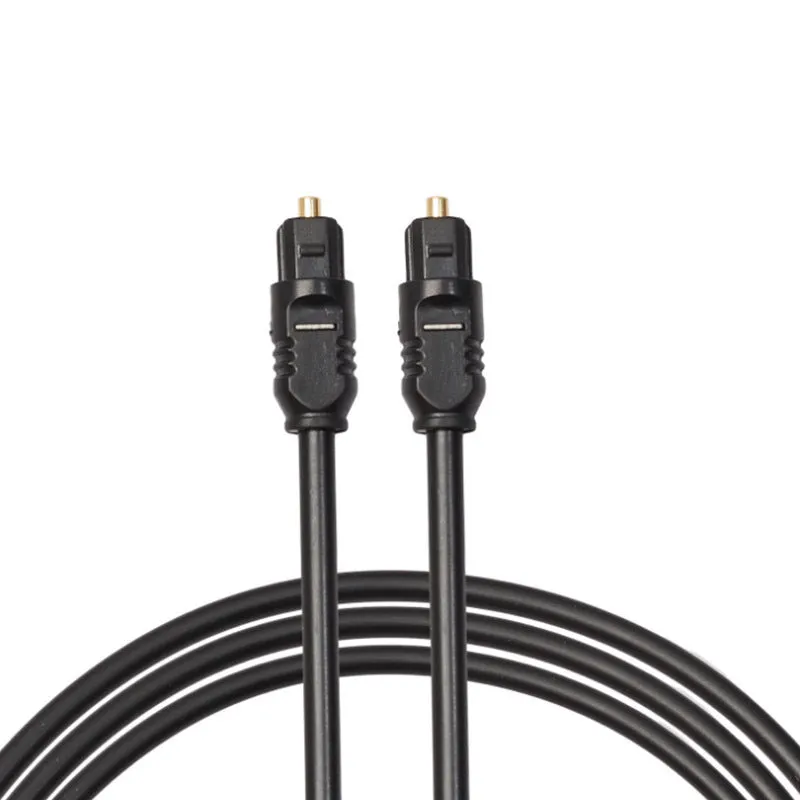
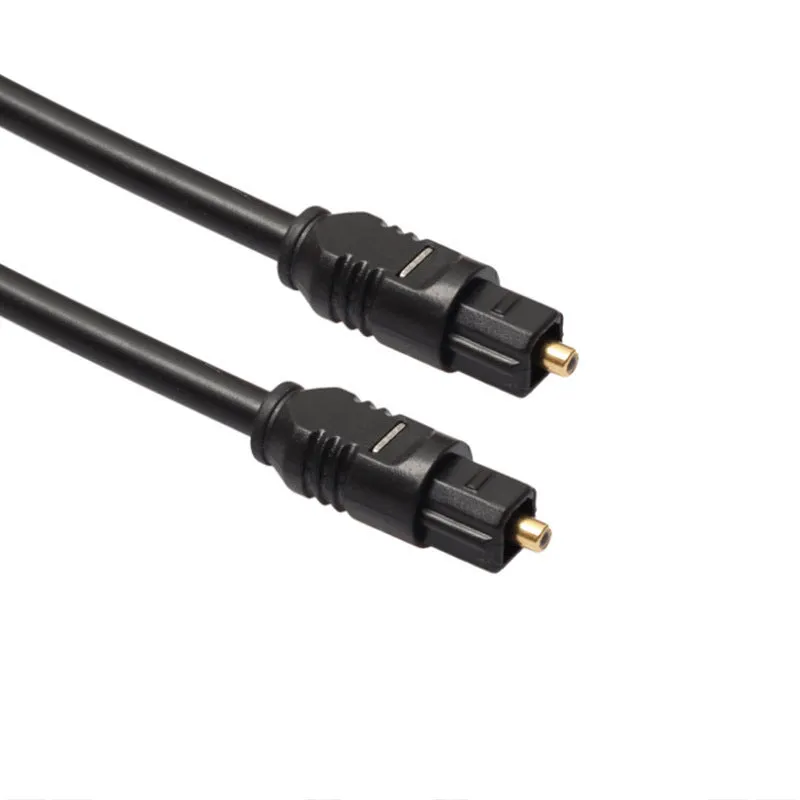
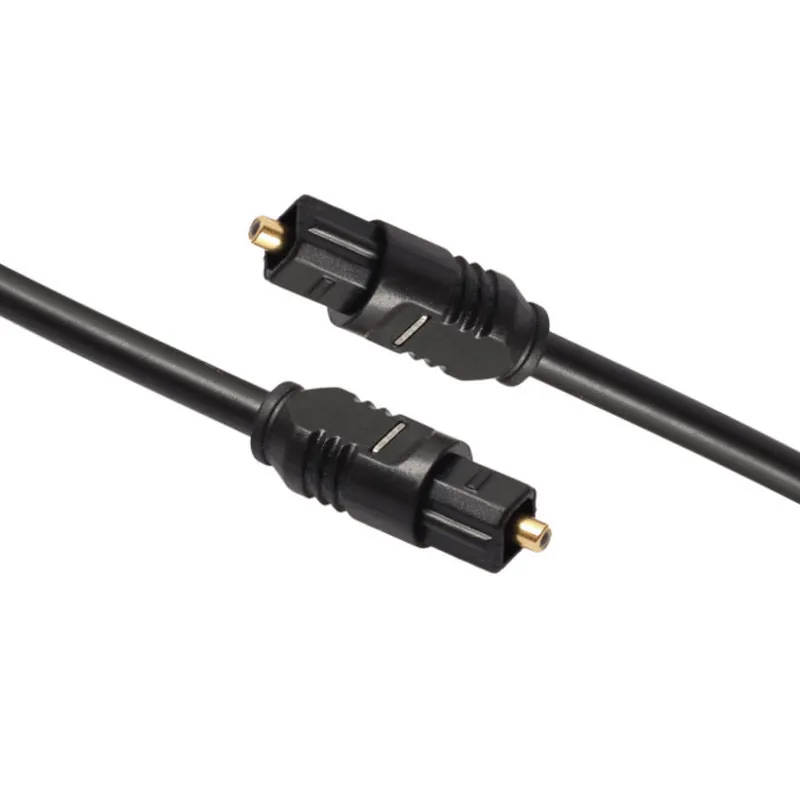
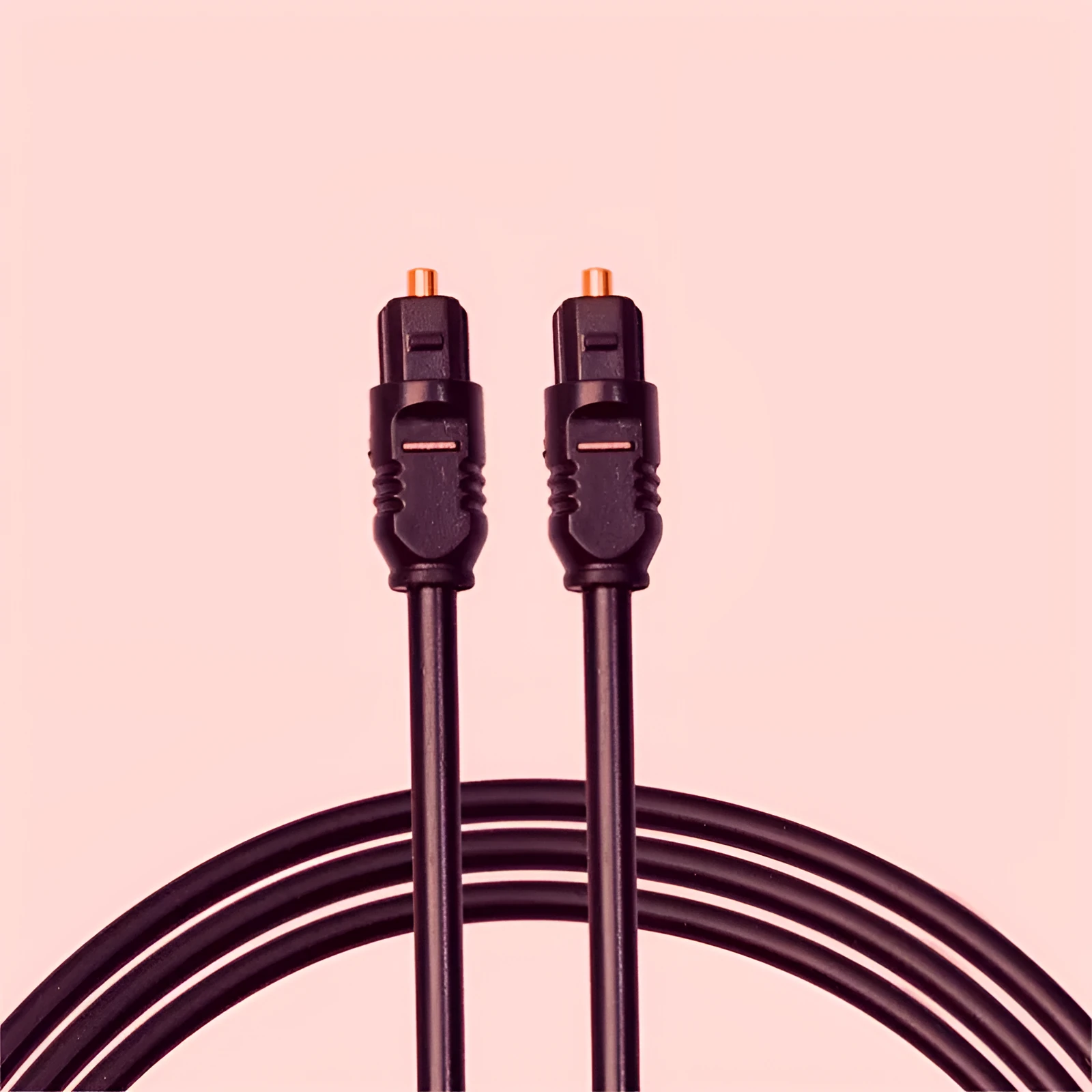
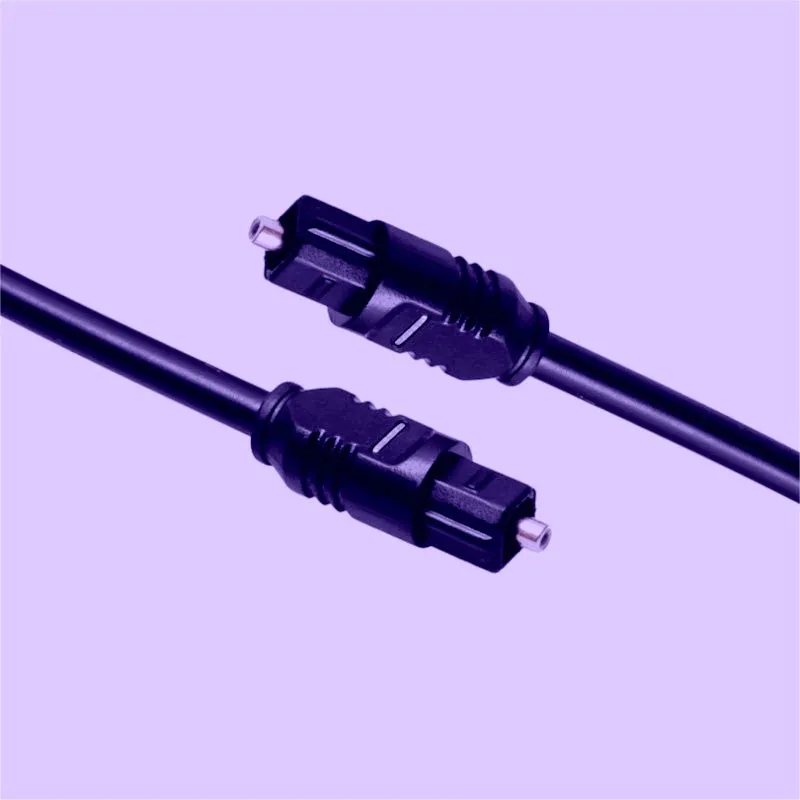
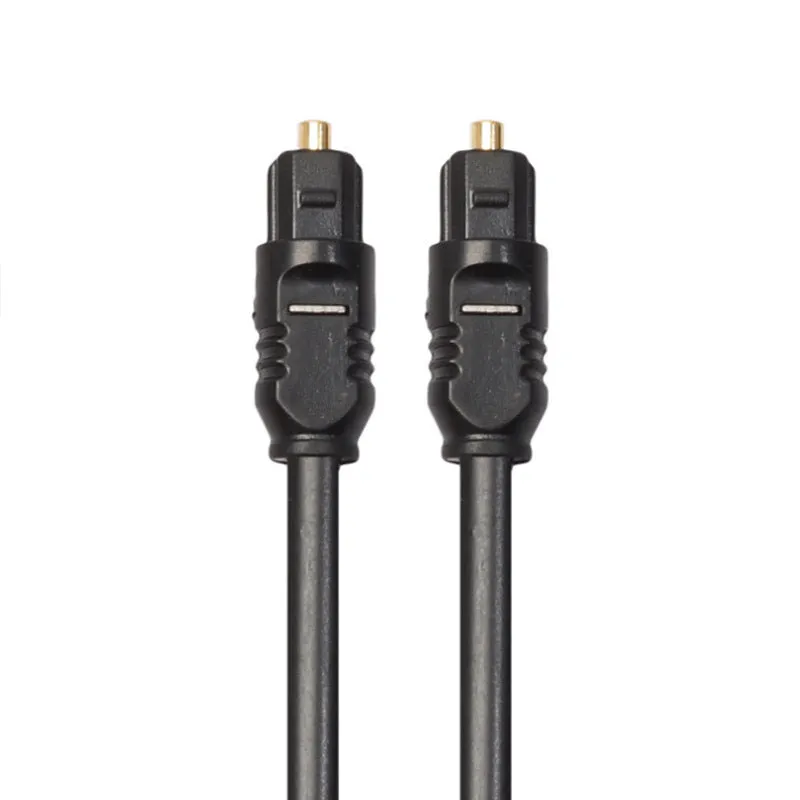
Toslink optical audio cable for home theatre audio and video connections, 2-metre length with square connector and black colour, using PMMA core material with 1 mm fibre for clear digital signal transmission.


Toslink optical audio cable for home theatre audio and video connections, 2-metre length with square connector and black colour, using PMMA core material with 1 mm fibre for clear digital signal transmission.
2-Metre Toslink Optical Audio Cable for Clear Digital Home Theatre Connections
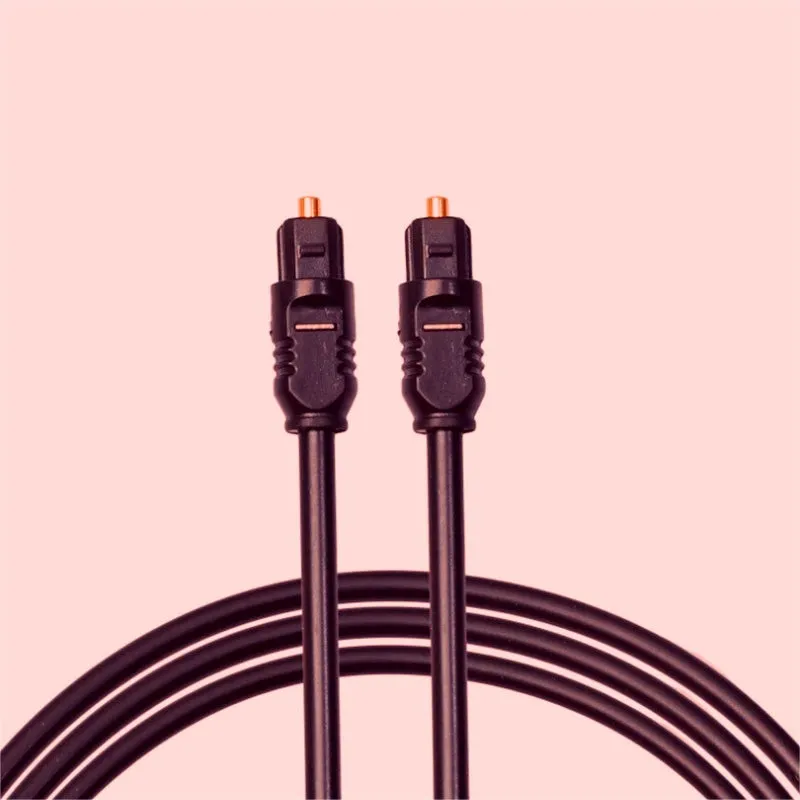
This Toslink optical audio cable delivers digital audio signals between compatible audio and video equipment without the signal degradation that can affect analogue connections. With its 2-metre length, it provides practical positioning flexibility for connecting components like soundbars, AV receivers, televisions, Blu-ray players, and gaming consoles in typical home theatre setups. The cable uses optical technology to transmit audio data as light pulses, maintaining signal integrity across the connection distance. Its black colour ensures it blends discreetly with most audio-video equipment aesthetics.
Features and Construction
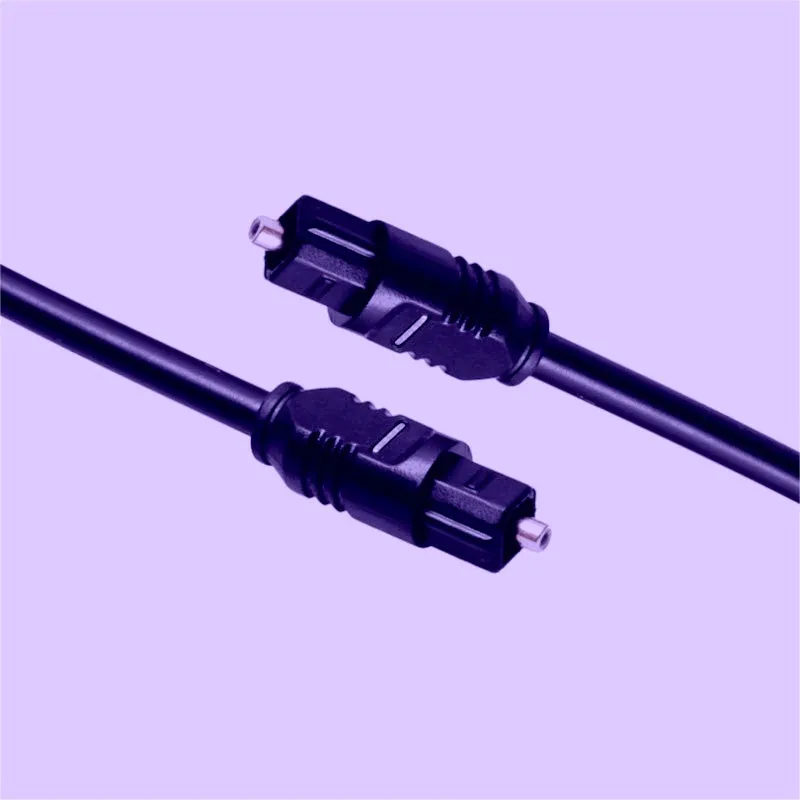
The cable is designed specifically for Toslink optical audio connections, which have become standard on many modern audio and video devices. This digital connection method avoids electrical interference that can affect analogue audio cables, making it particularly suitable for home theatre environments with multiple electronic components.
Material and Build
The cable's core material is PMMA (polymethyl methacrylate), which serves as the optical fibre medium for transmitting light pulses that carry digital audio data. This 1 mm diameter fibre is housed within the cable's external construction, though specific outer materials are not detailed in the source information. The square connector design is standard for Toslink interfaces, ensuring compatibility with the optical audio ports found on most modern audio equipment.
Size and Practical Fit
With a 2-metre total length, this cable offers sufficient reach for typical home theatre arrangements where components might be separated by moderate distances. This length allows positioning flexibility without the signal loss concerns that affect longer analogue cable runs. The cable can connect devices placed up to 2 metres apart while maintaining digital audio quality.
Uses and Placement
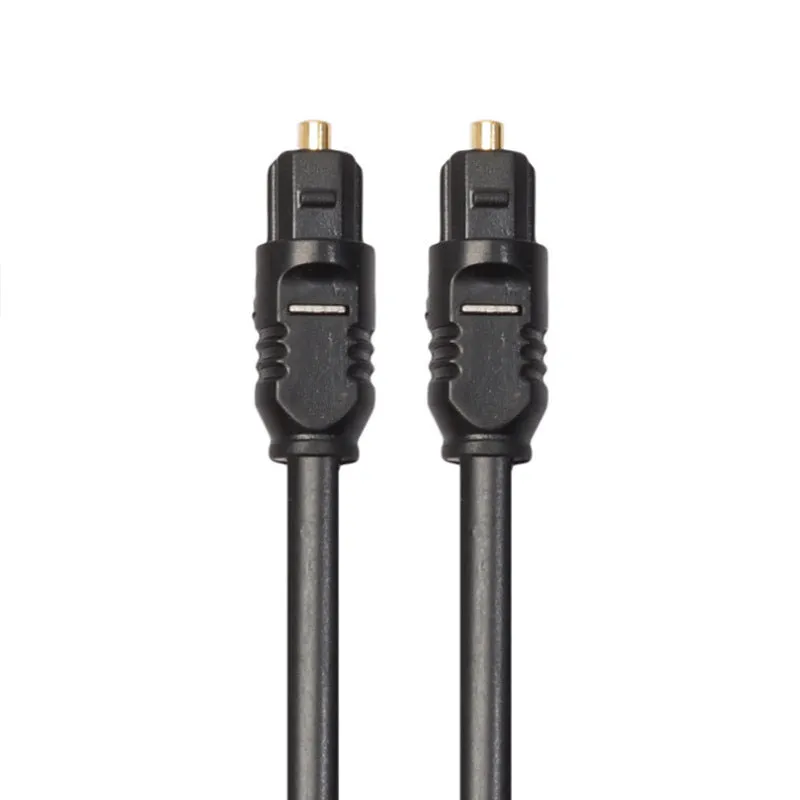
This optical audio cable serves primarily in home entertainment environments where clear digital audio transmission is required between components. The Toslink connection format is widely supported across modern audio and video equipment manufacturers.
Event or Professional Use
While primarily designed for home theatre applications, the cable could support basic digital audio connections in presentation setups, small venue sound systems, or connecting digital audio sources to amplification equipment. The optical connection maintains signal integrity in environments where electrical interference might be present from lighting or other equipment.
Everyday Home Use
In typical home environments, this cable connects televisions to soundbars or AV receivers, Blu-ray players to audio systems, gaming consoles to home theatre setups, or digital audio sources to compatible amplifiers. The 2-metre length accommodates most furniture arrangements where audio and video components are placed on separate shelves or units.
Benefits and Buying Value
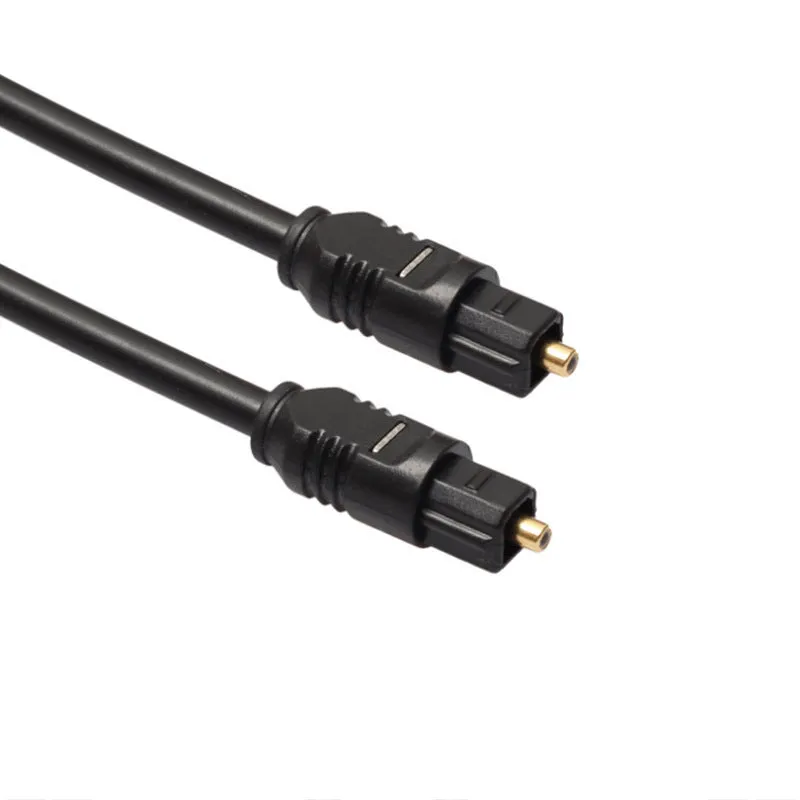
This optical audio cable provides specific advantages over analogue audio connections in home theatre environments, particularly regarding signal integrity and compatibility with modern digital equipment.
Reuse and Low Maintenance
Optical audio cables generally require minimal maintenance beyond careful handling during connection and disconnection. The digital nature of the signal means there's no degradation of connectors over time from oxidation, as can occur with electrical contacts. The cable can be reused across multiple setups or equipment upgrades as long as devices maintain Toslink compatibility.
Why Choose This Product
This specific cable offers a standard 2-metre length that suits most home theatre arrangements without excess cable management concerns. The square Toslink connector ensures compatibility with a wide range of audio and video equipment. While performance specifications like bandwidth or signal rating aren't provided in the source data, the optical connection method itself provides inherent advantages for digital audio transmission in typical home entertainment environments.