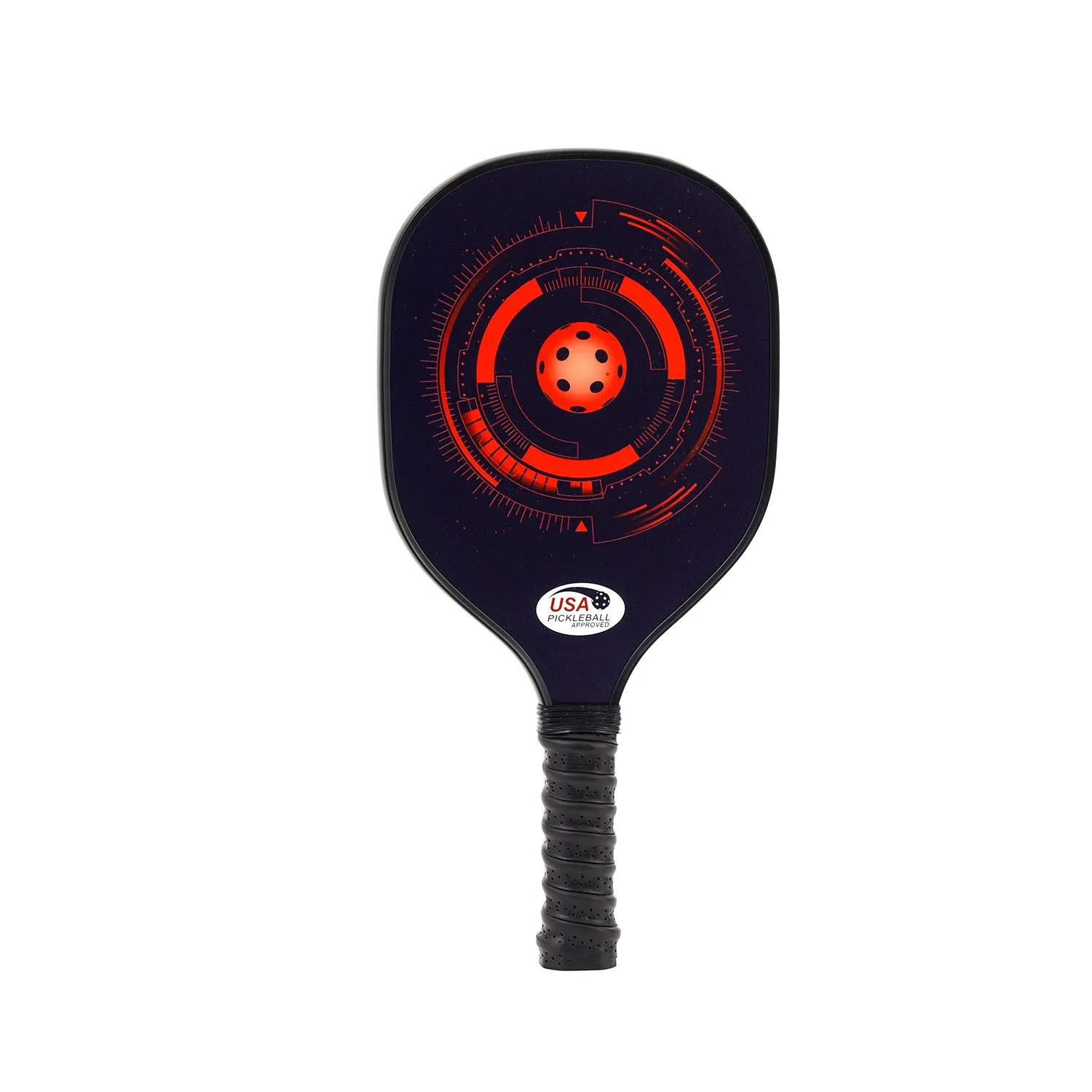
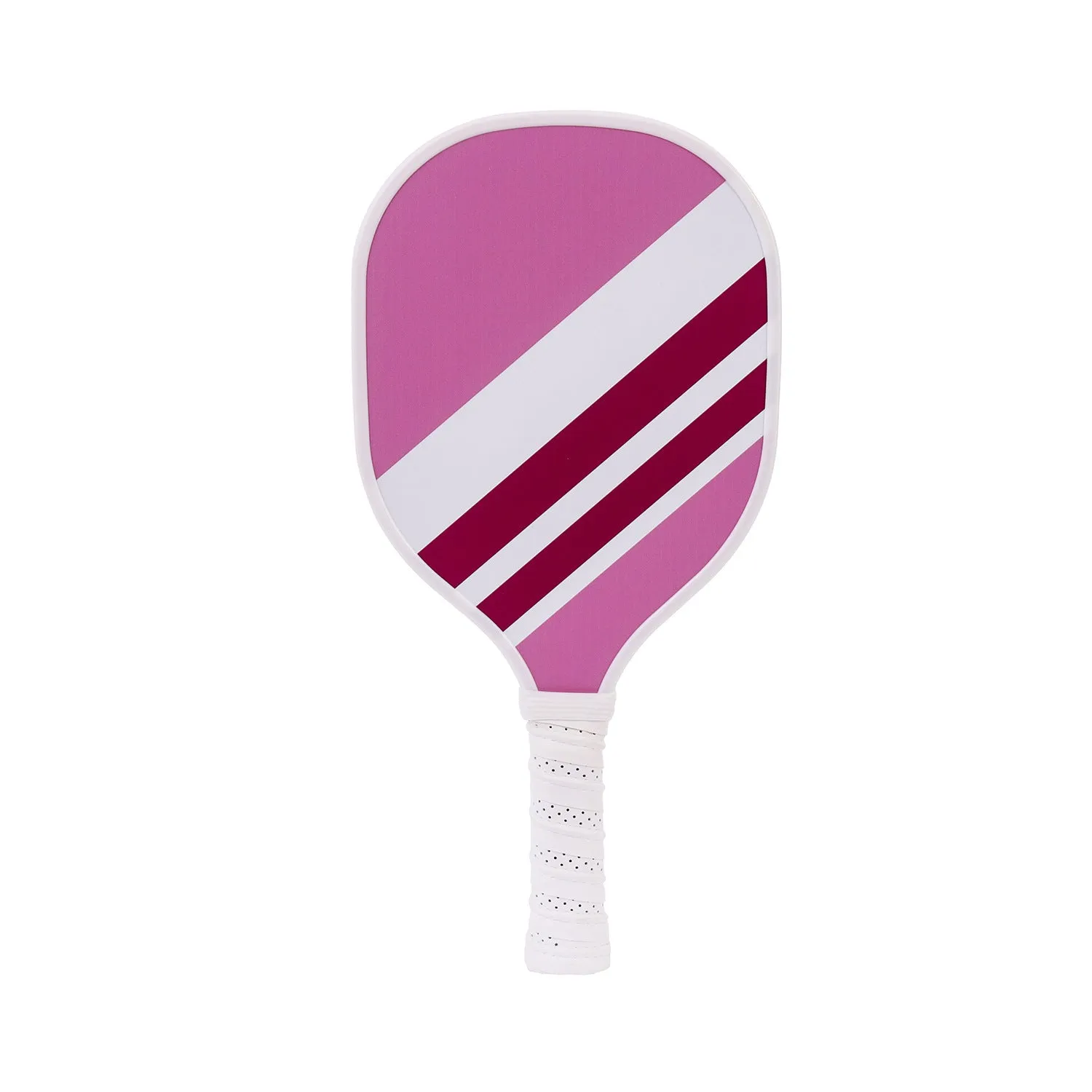
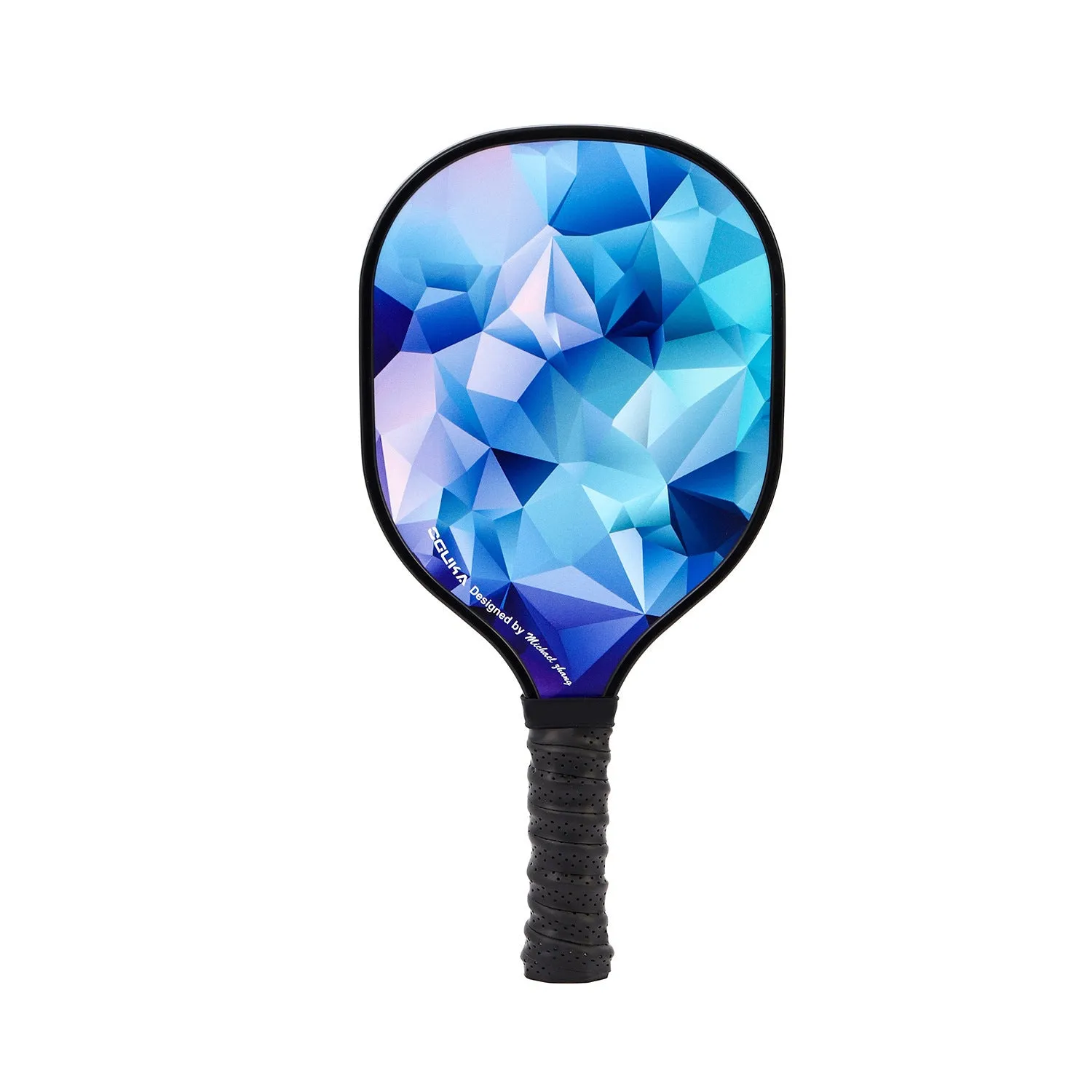
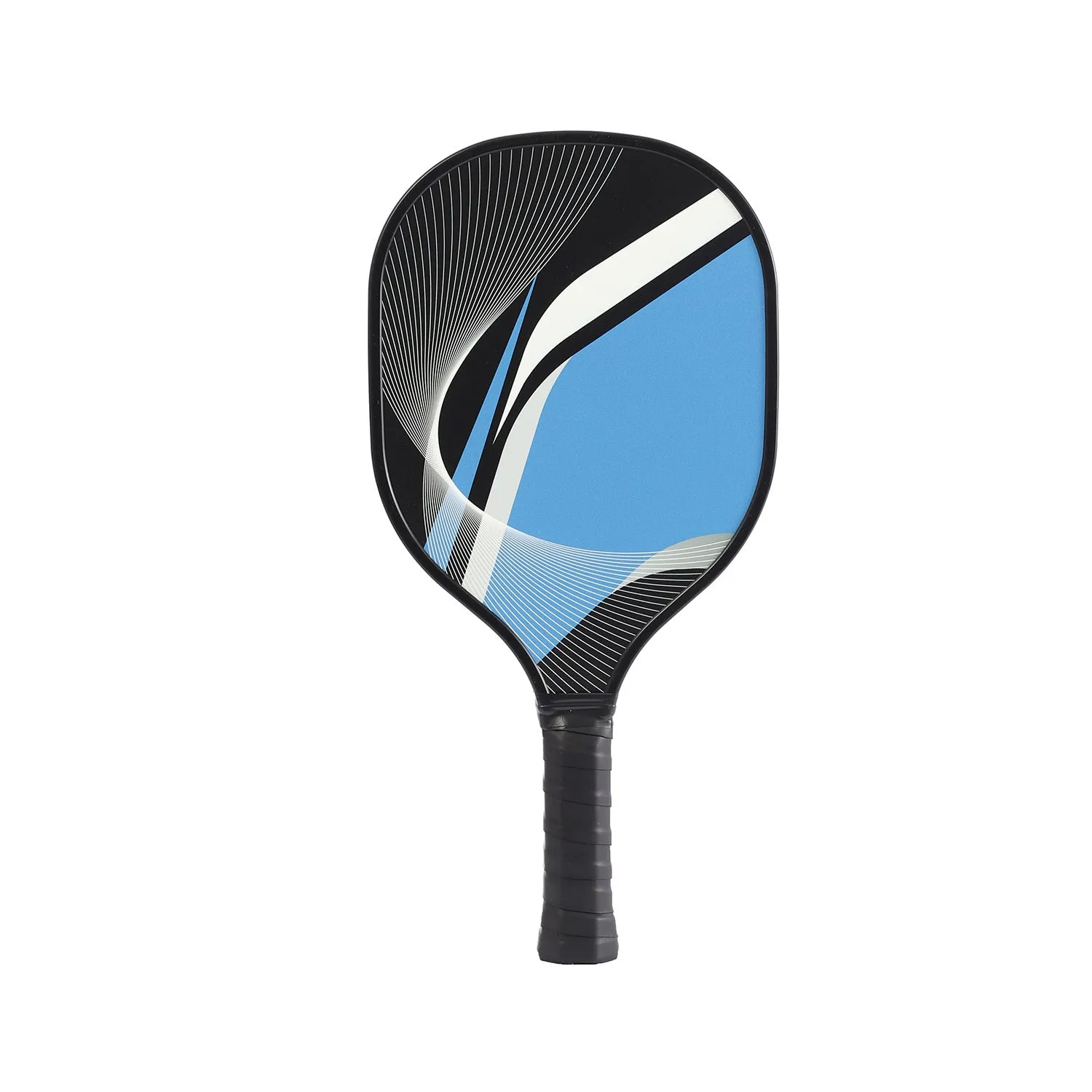
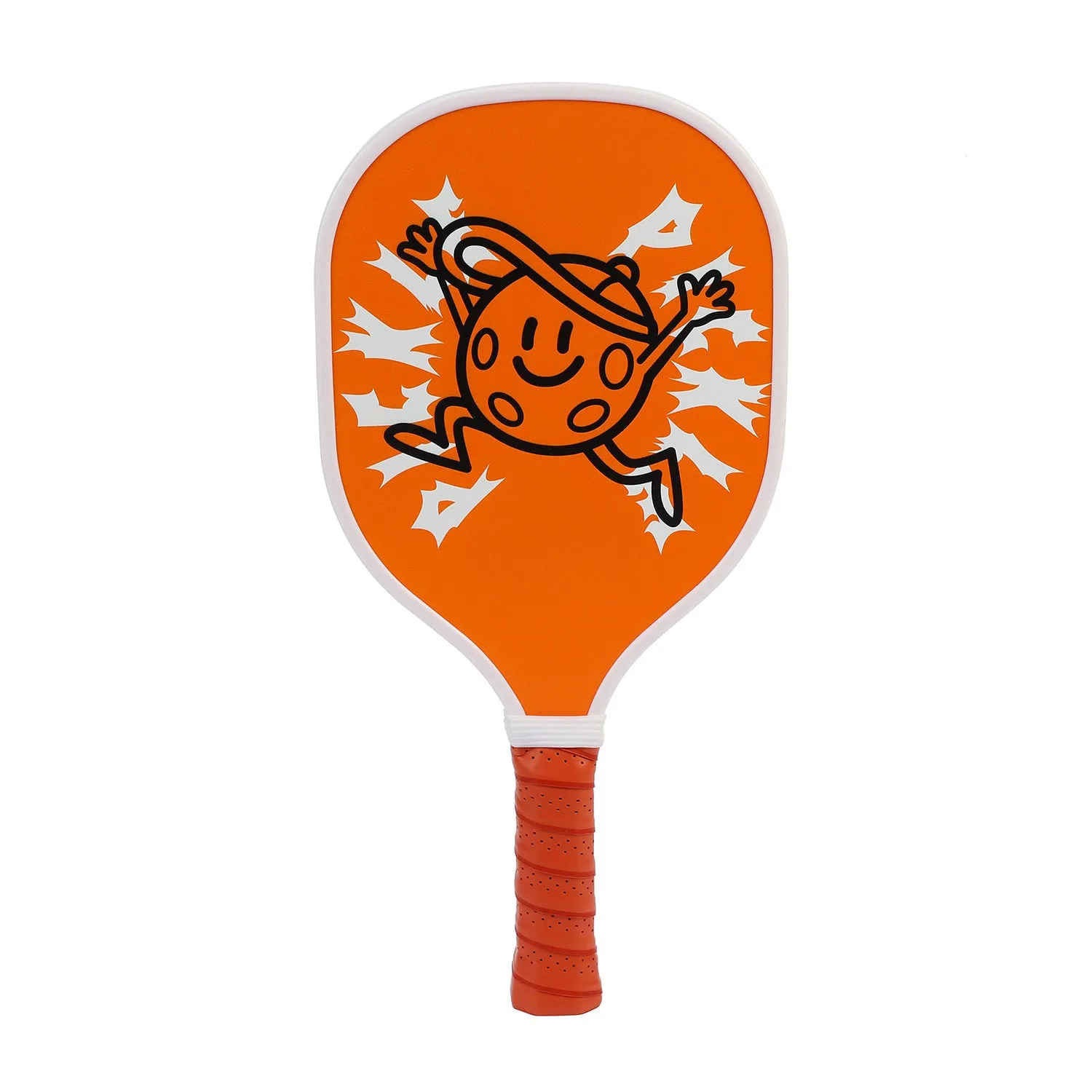
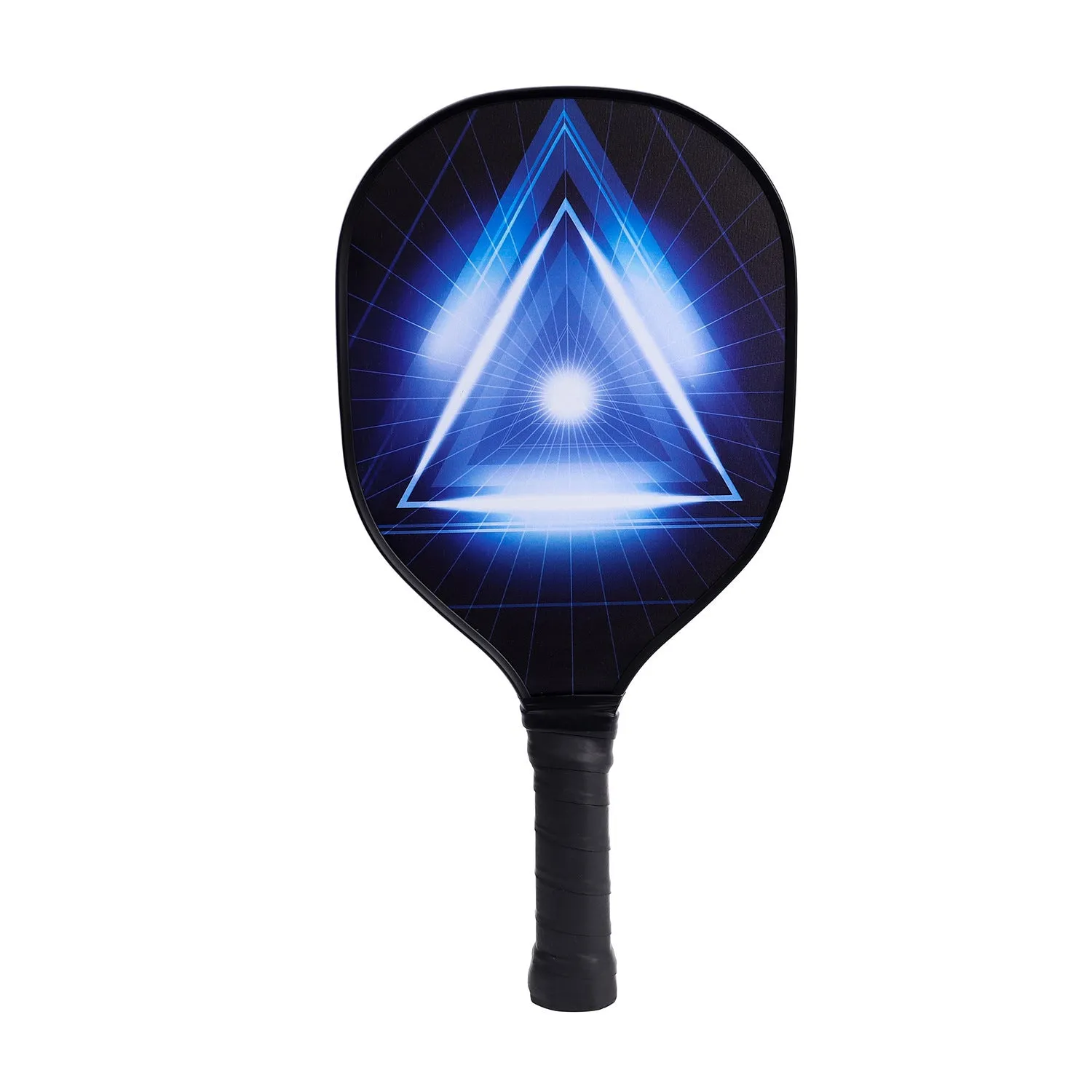
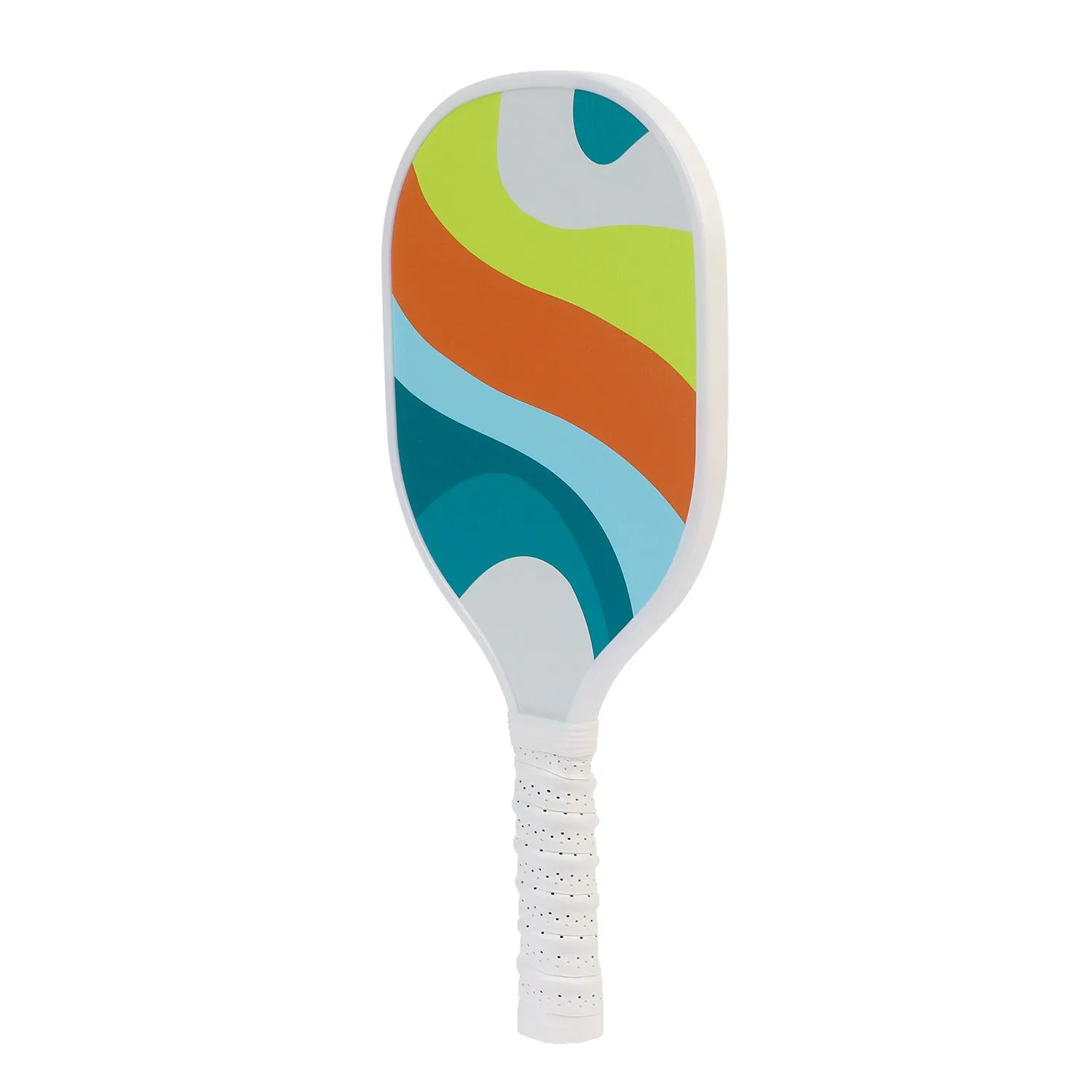
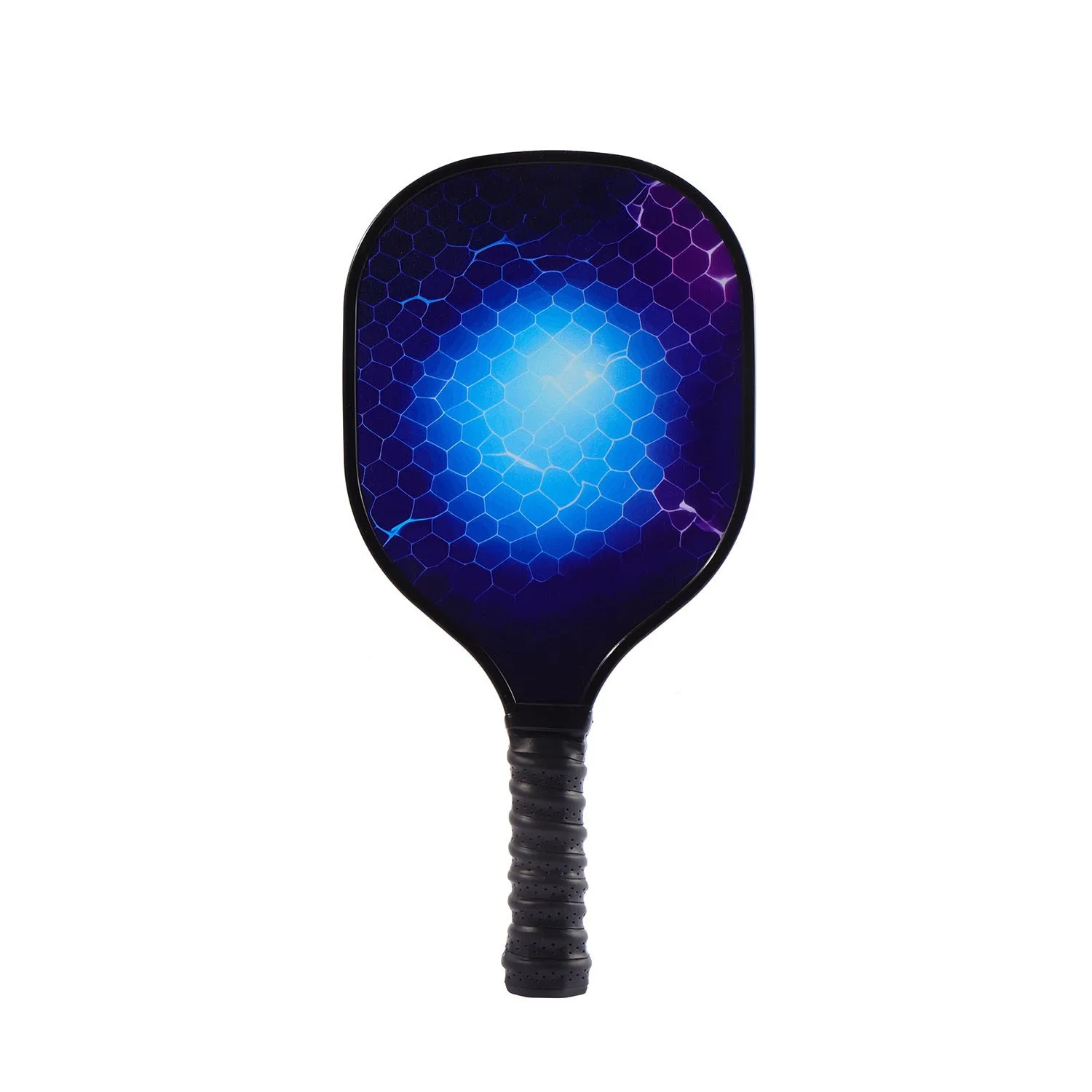
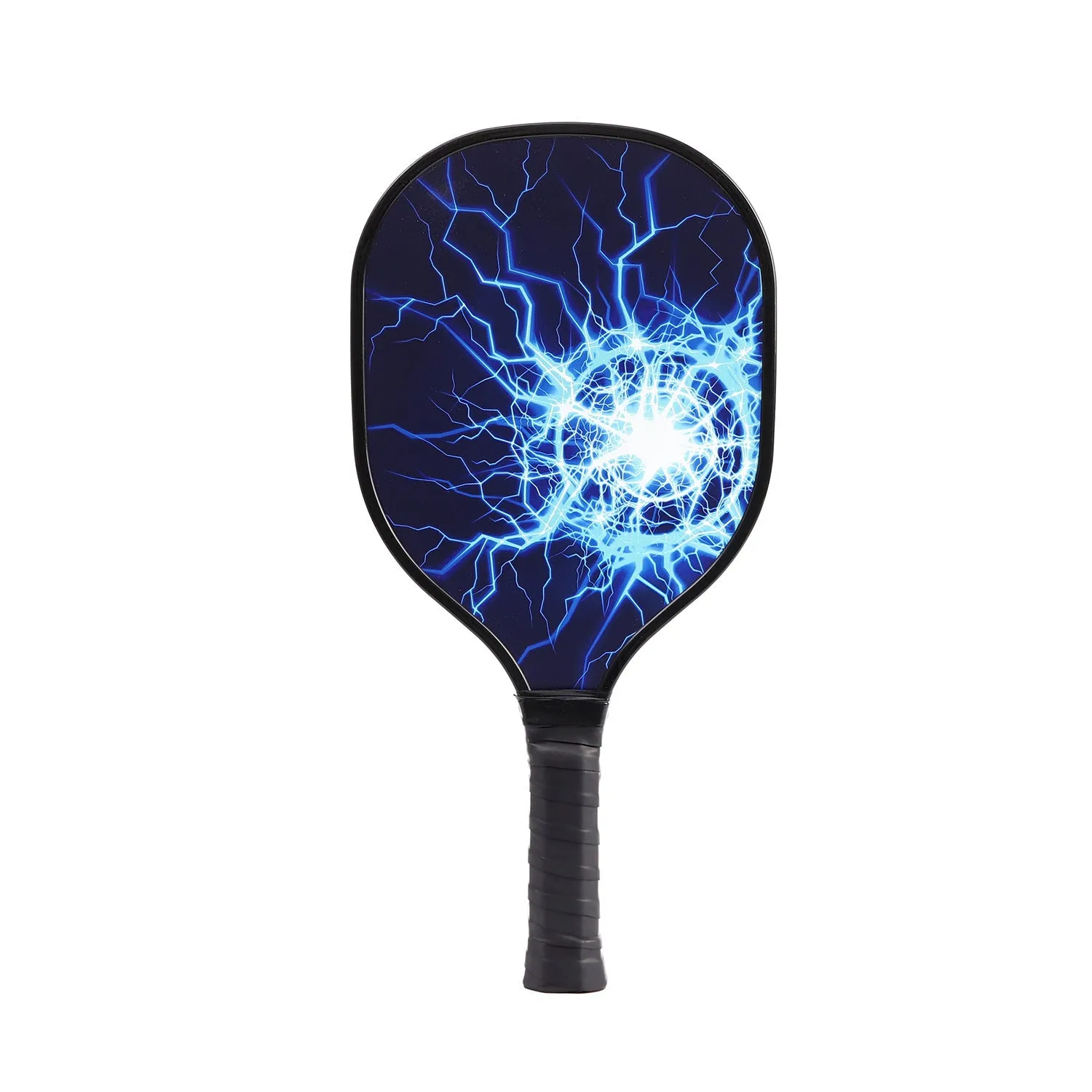
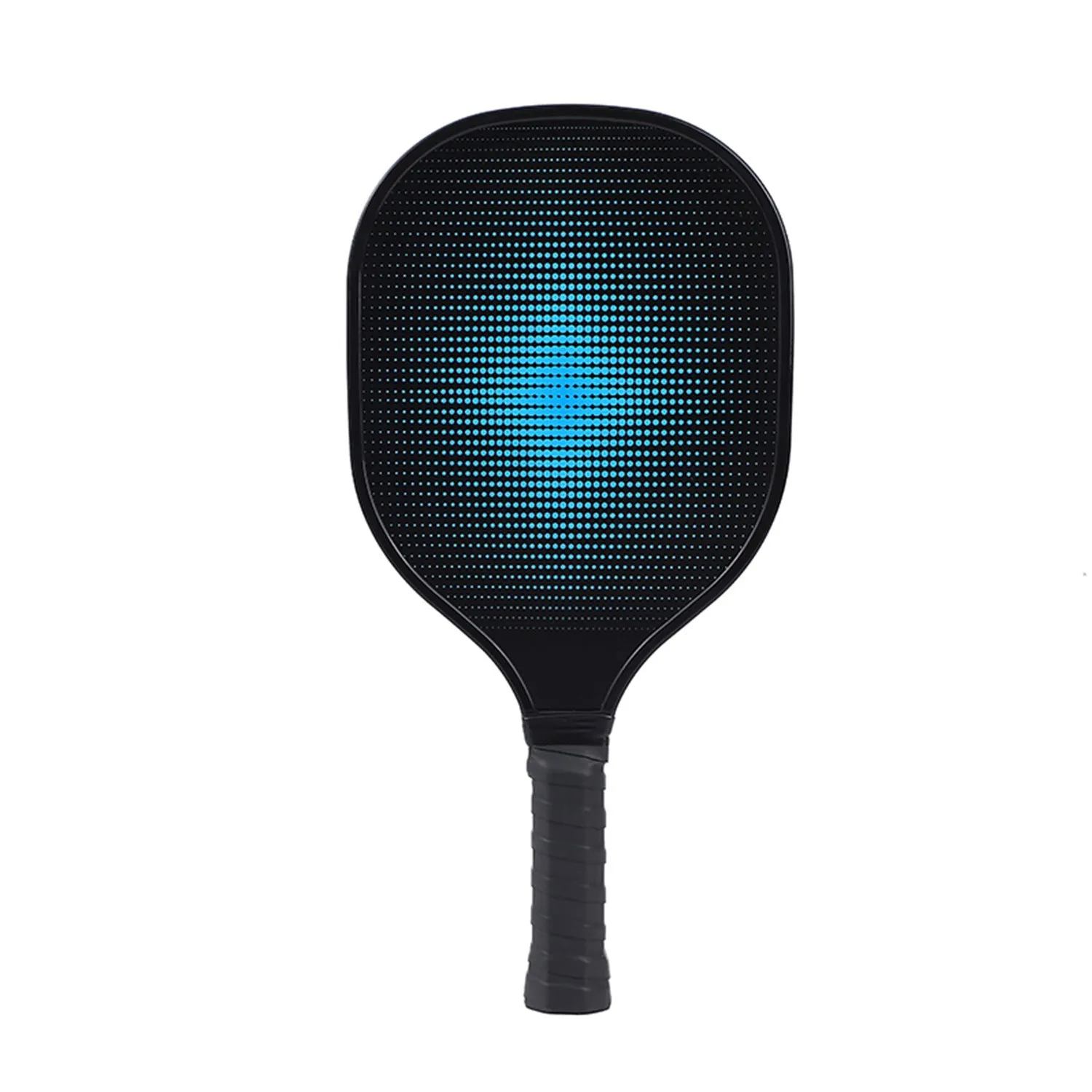
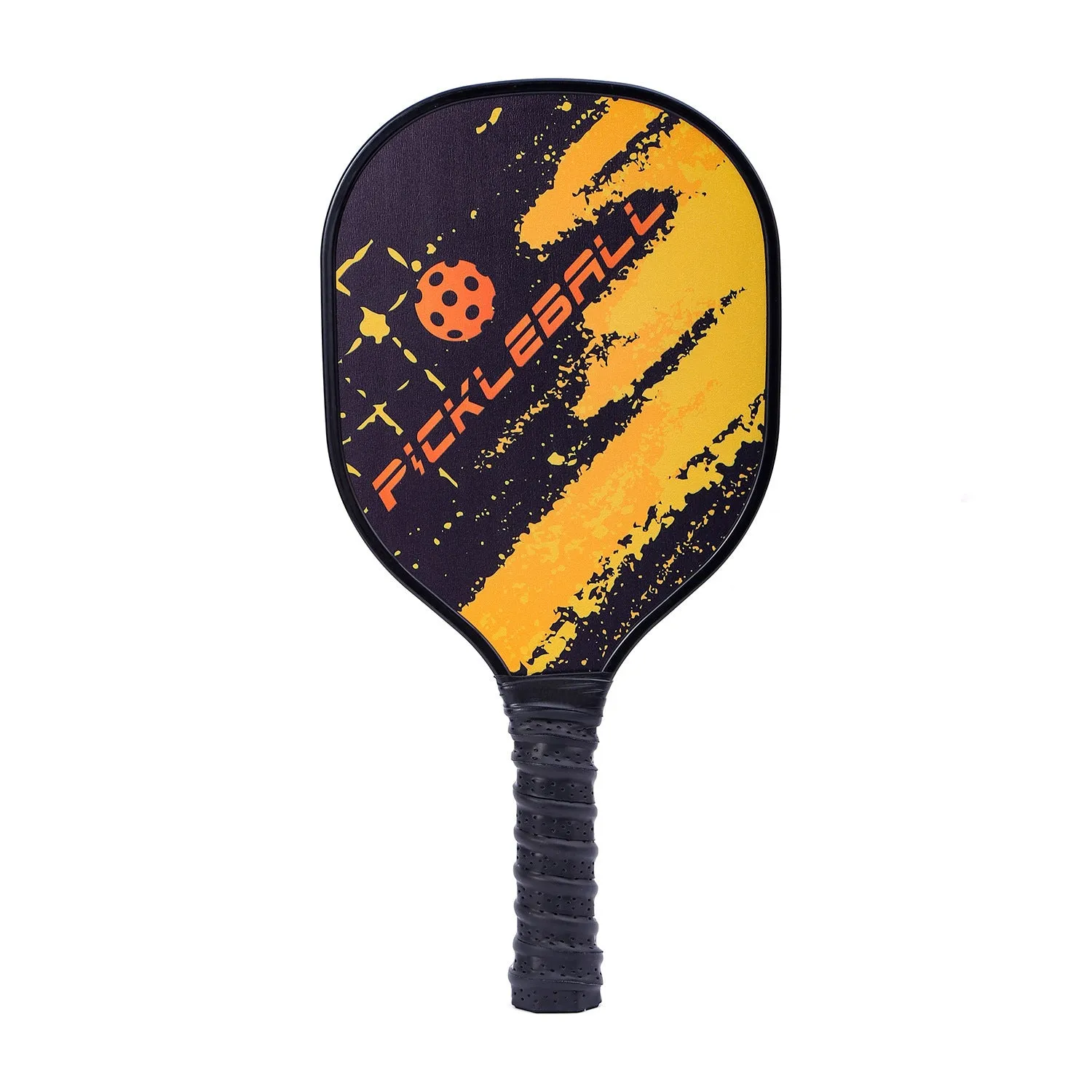
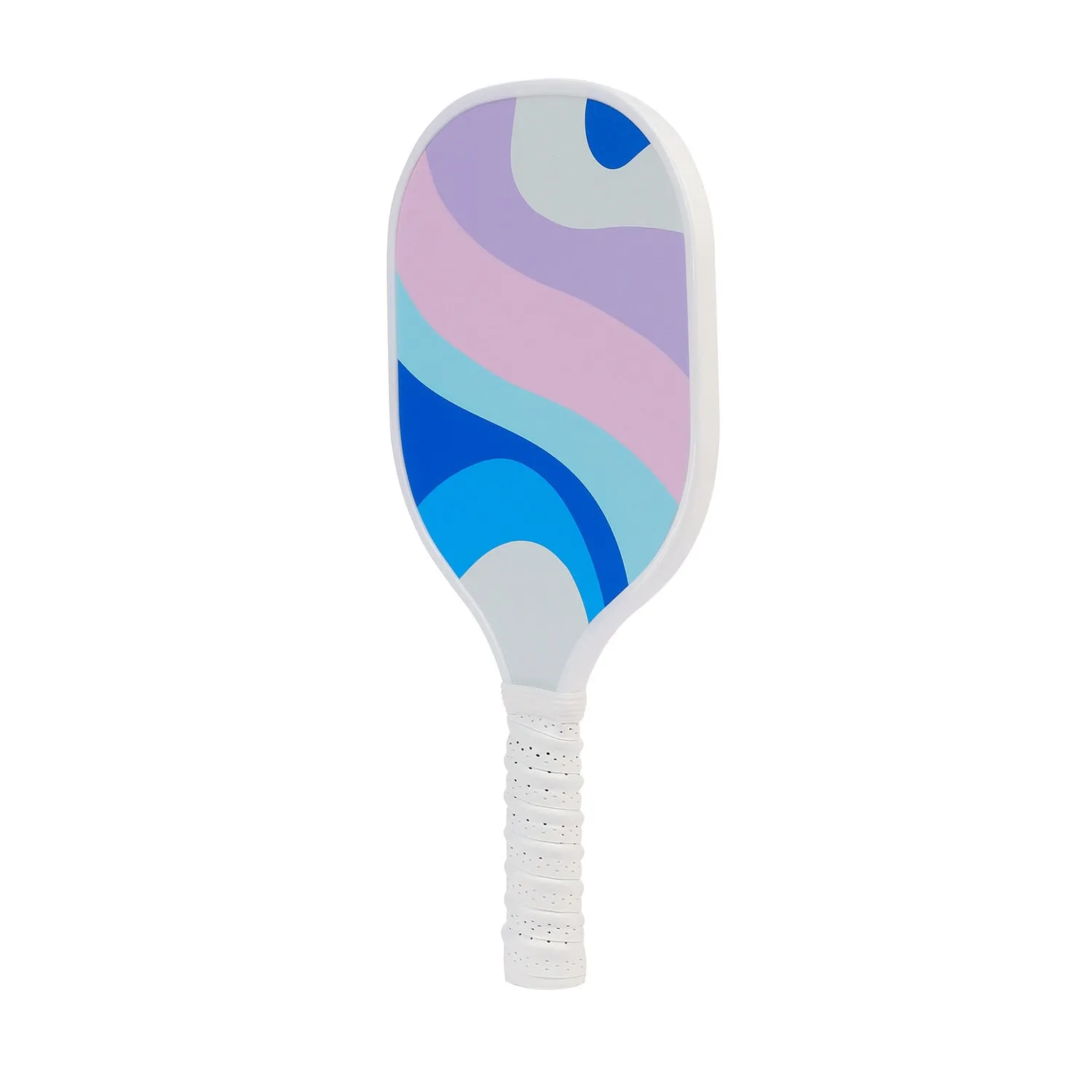
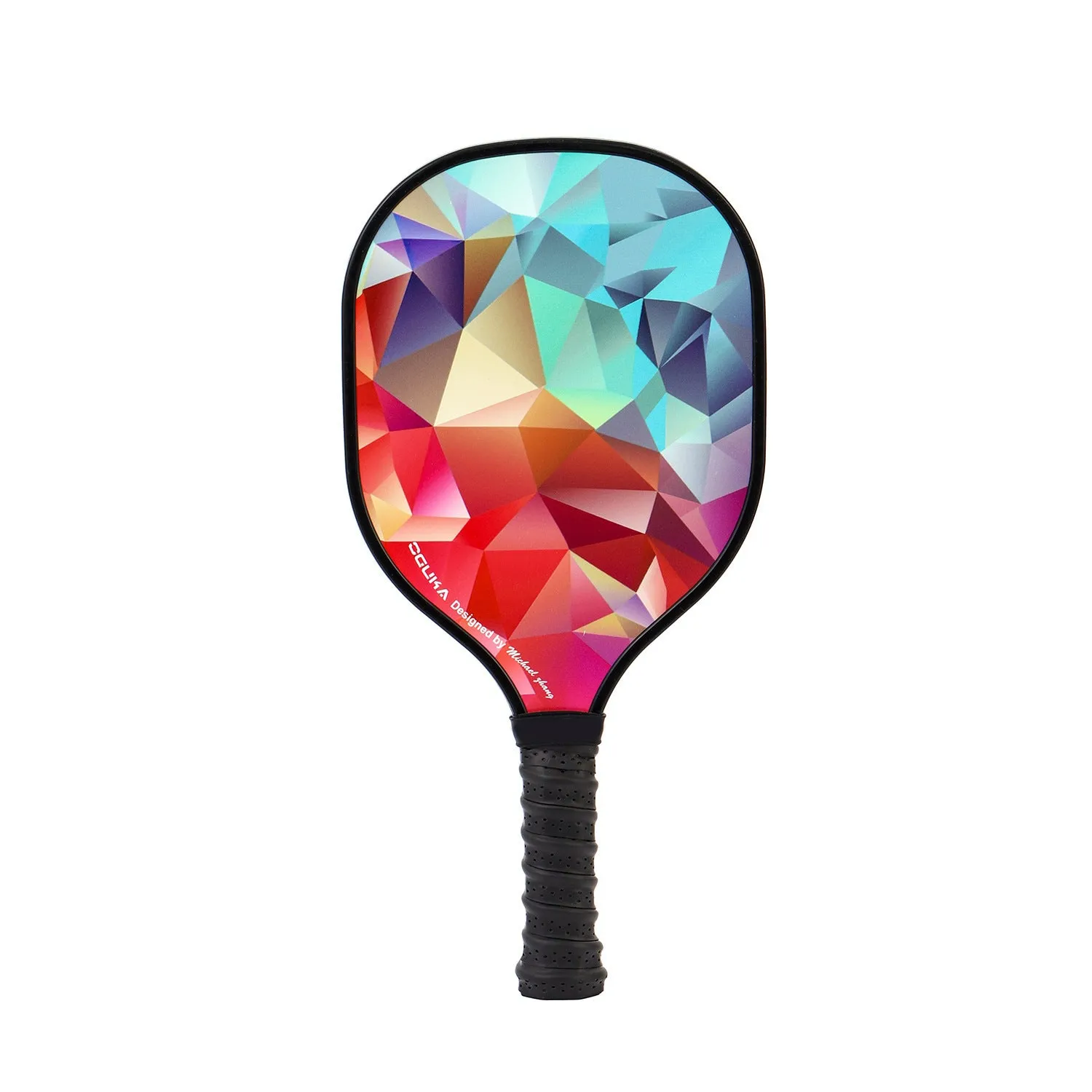
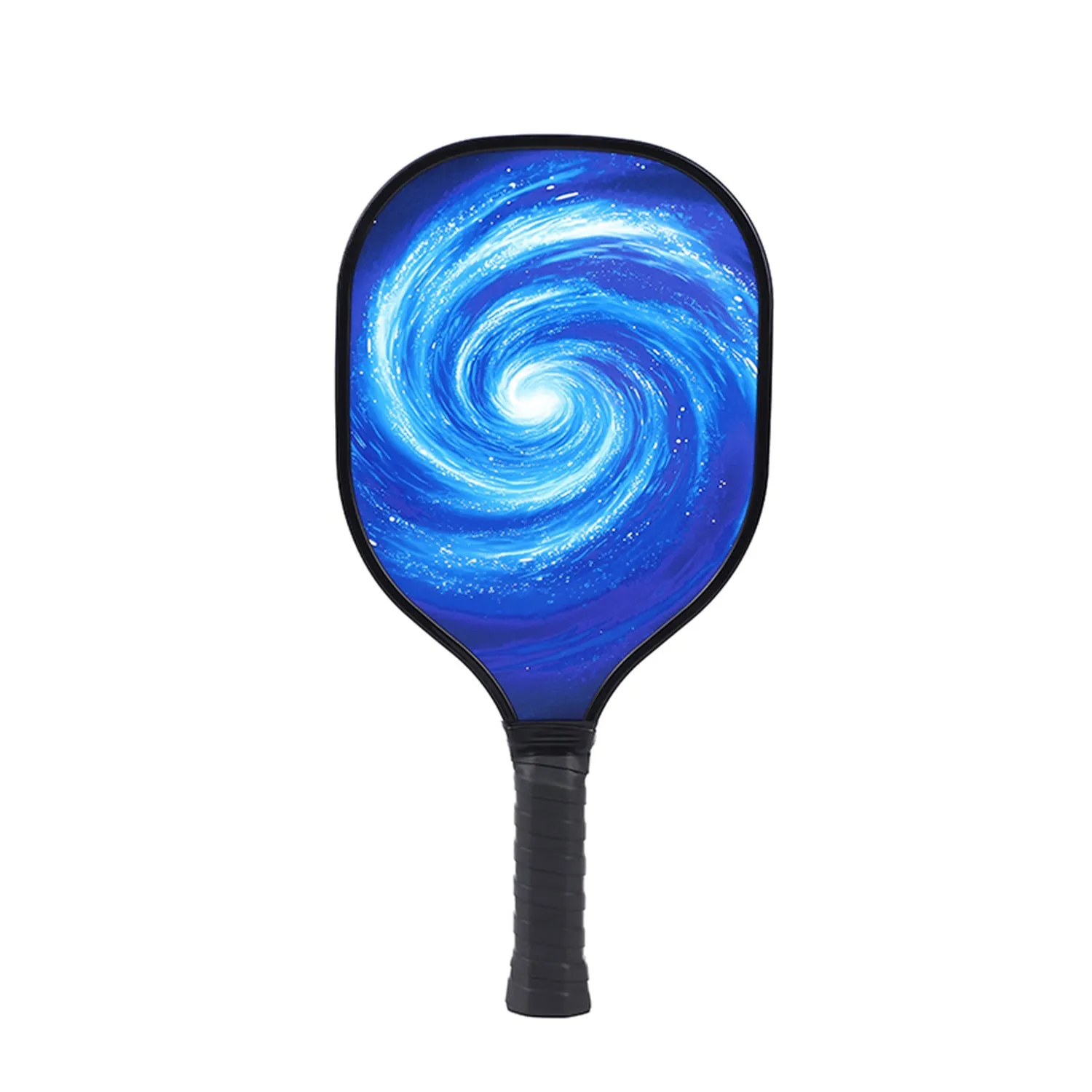
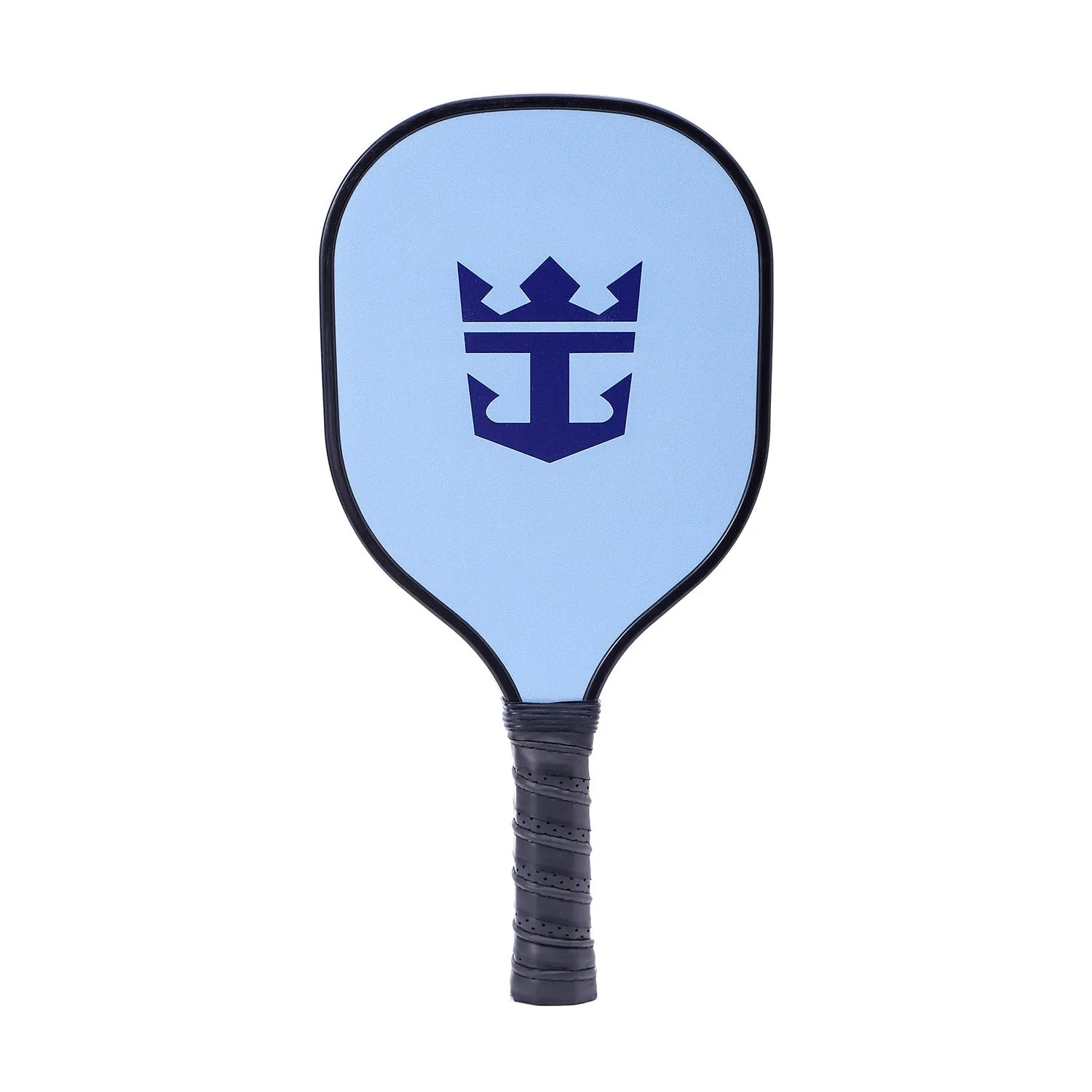
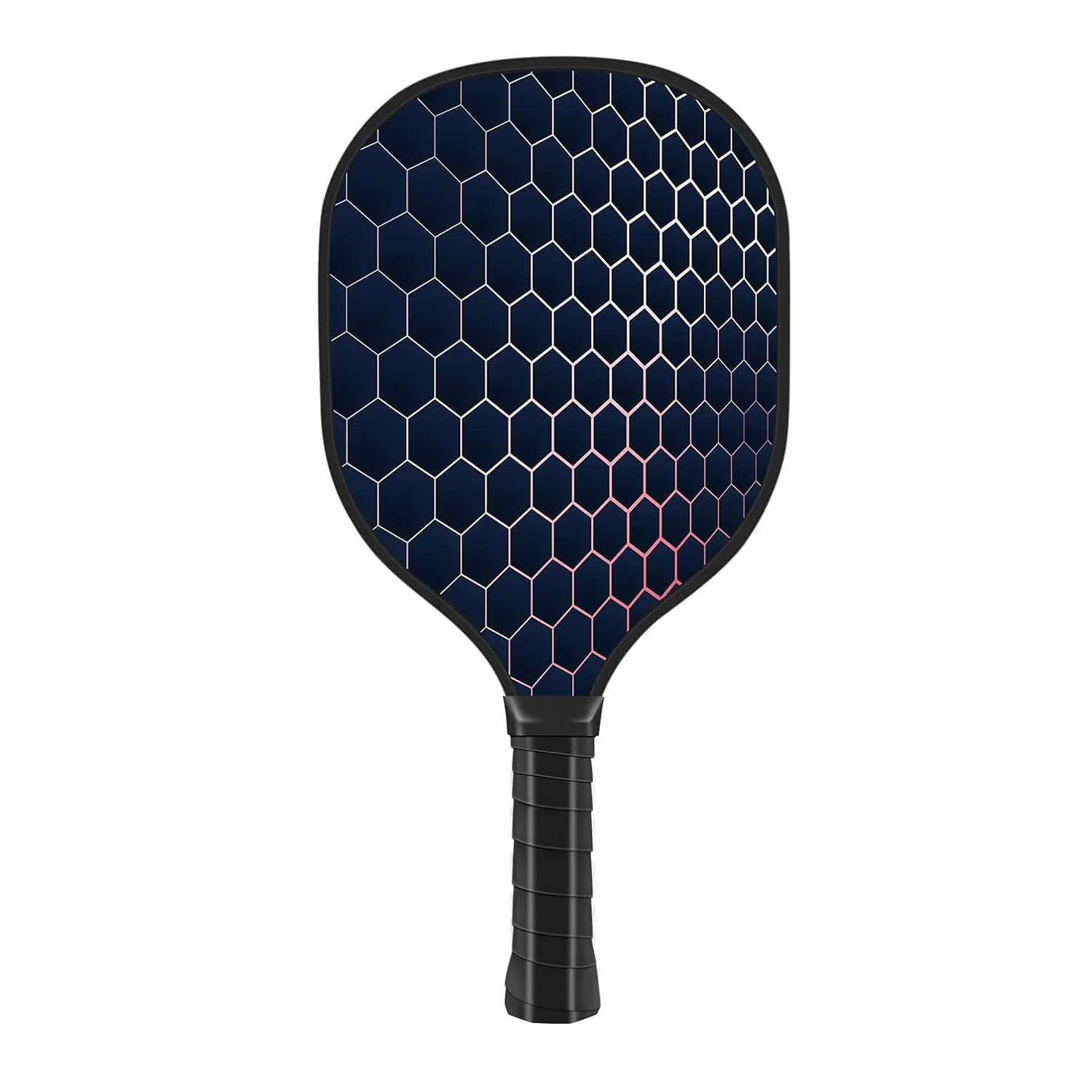
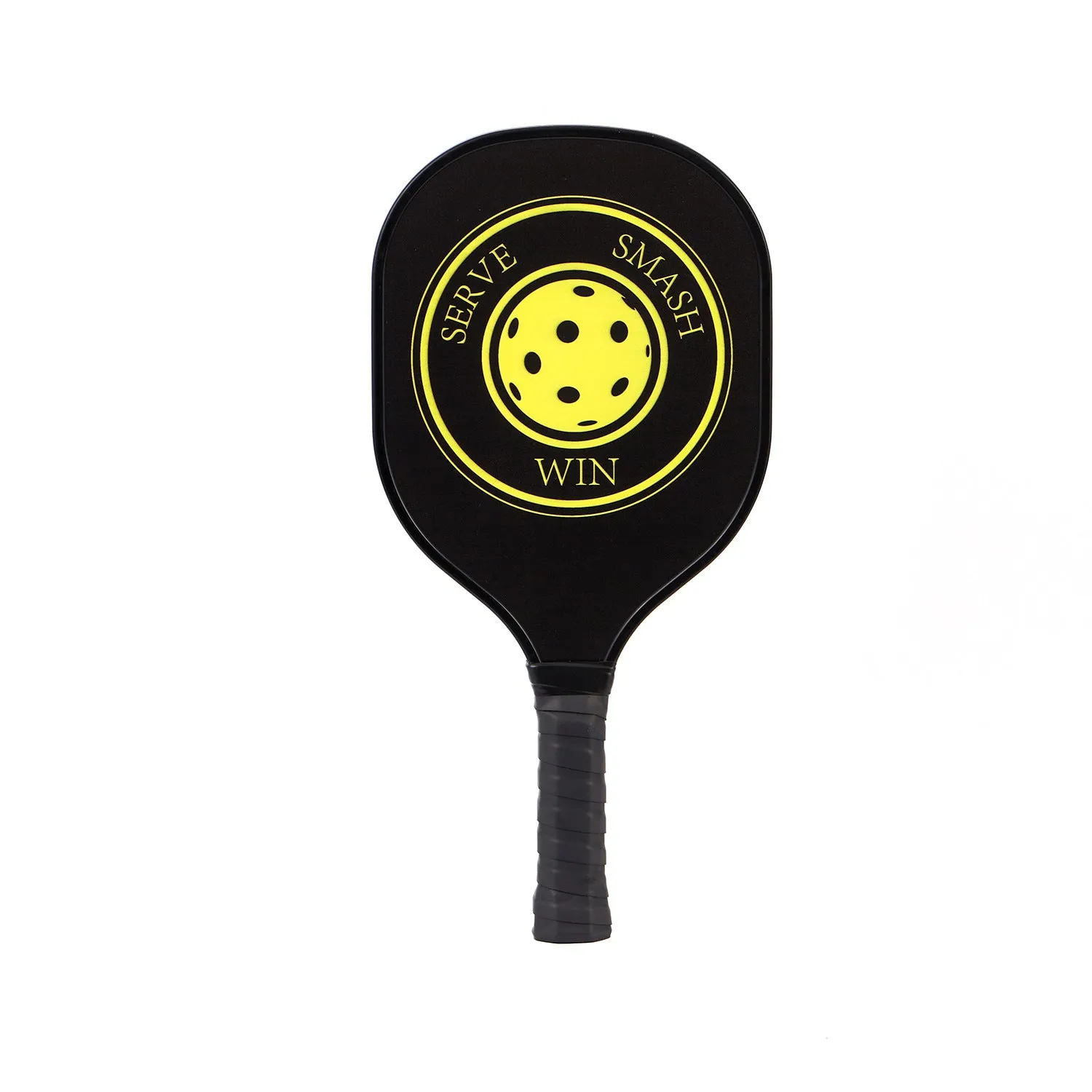
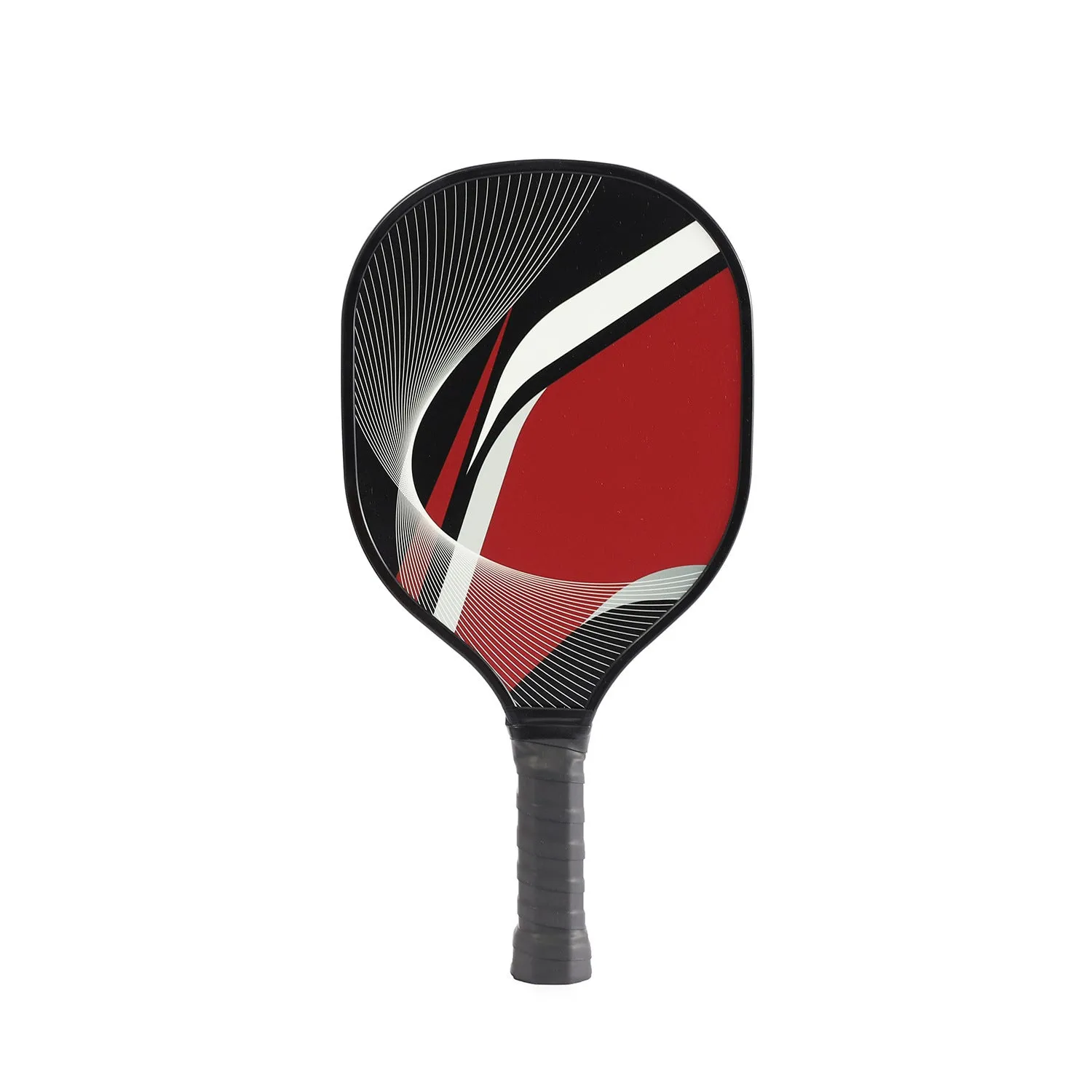
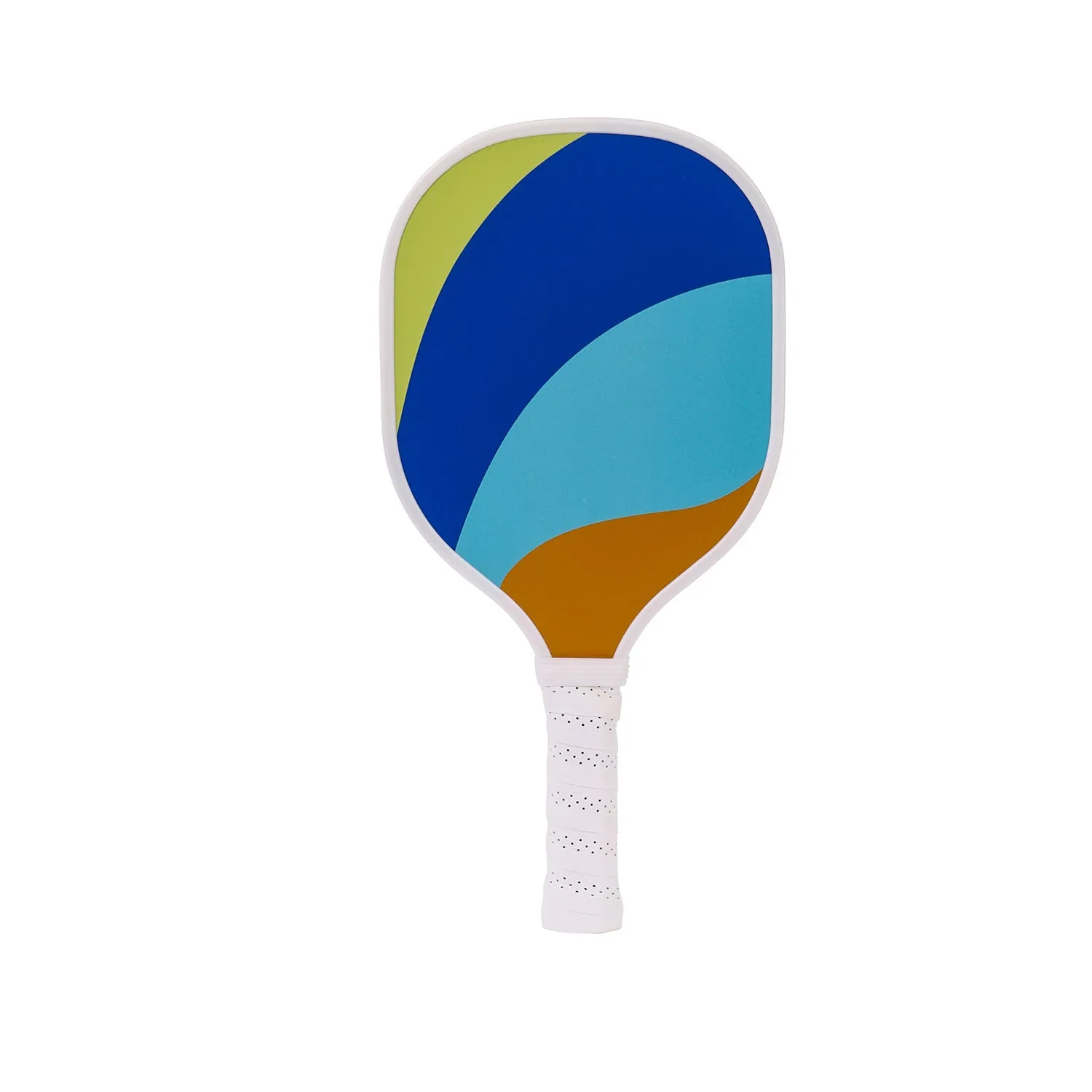
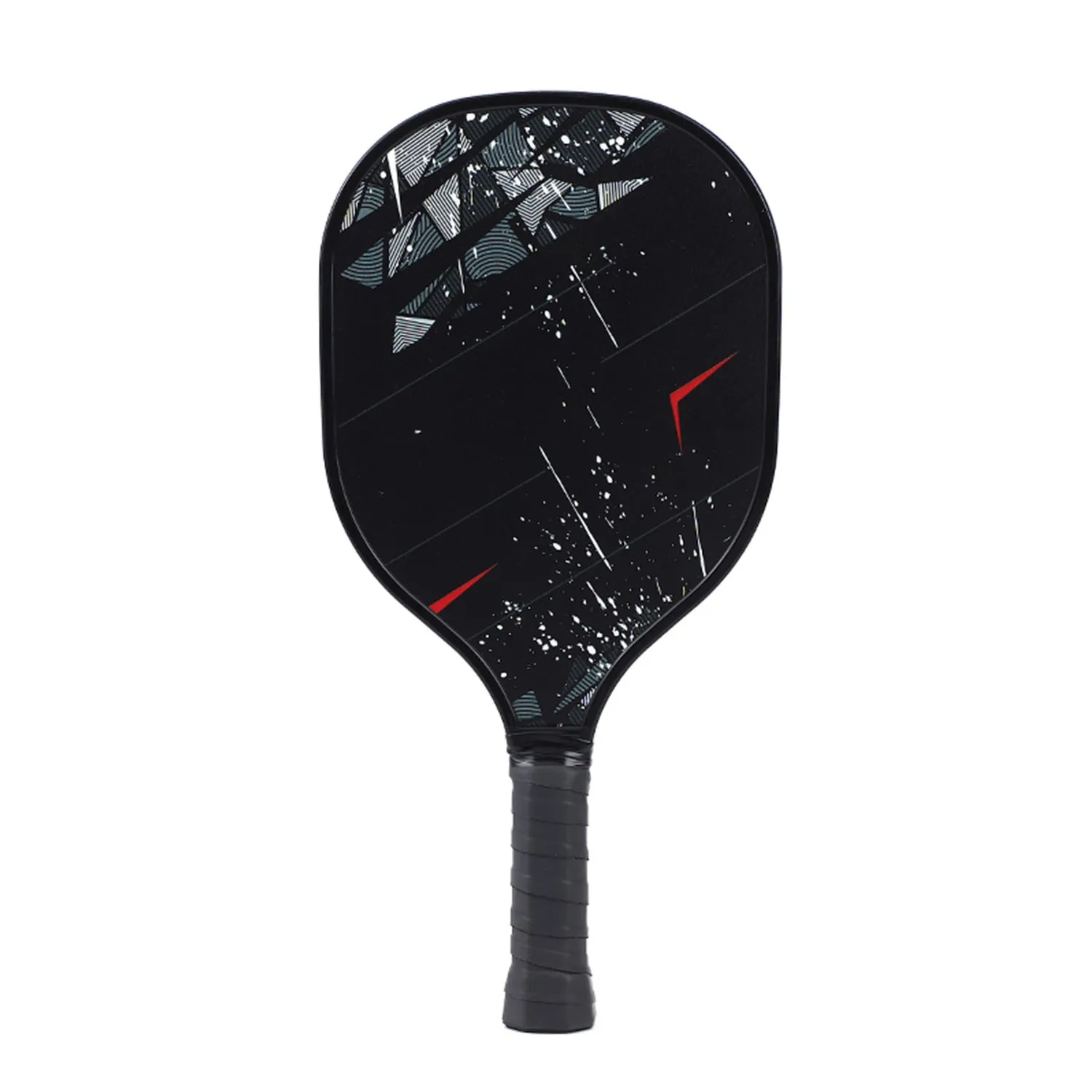
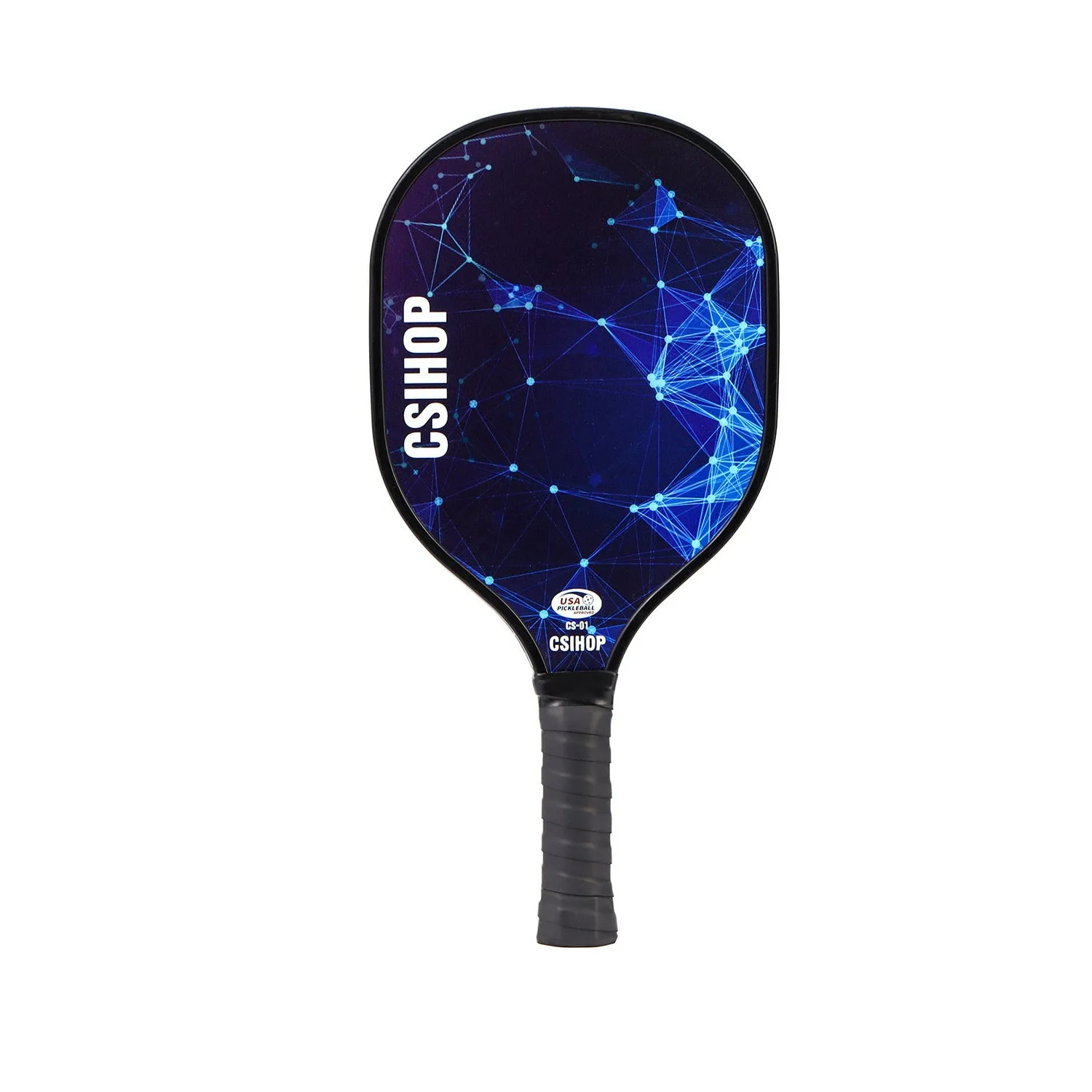
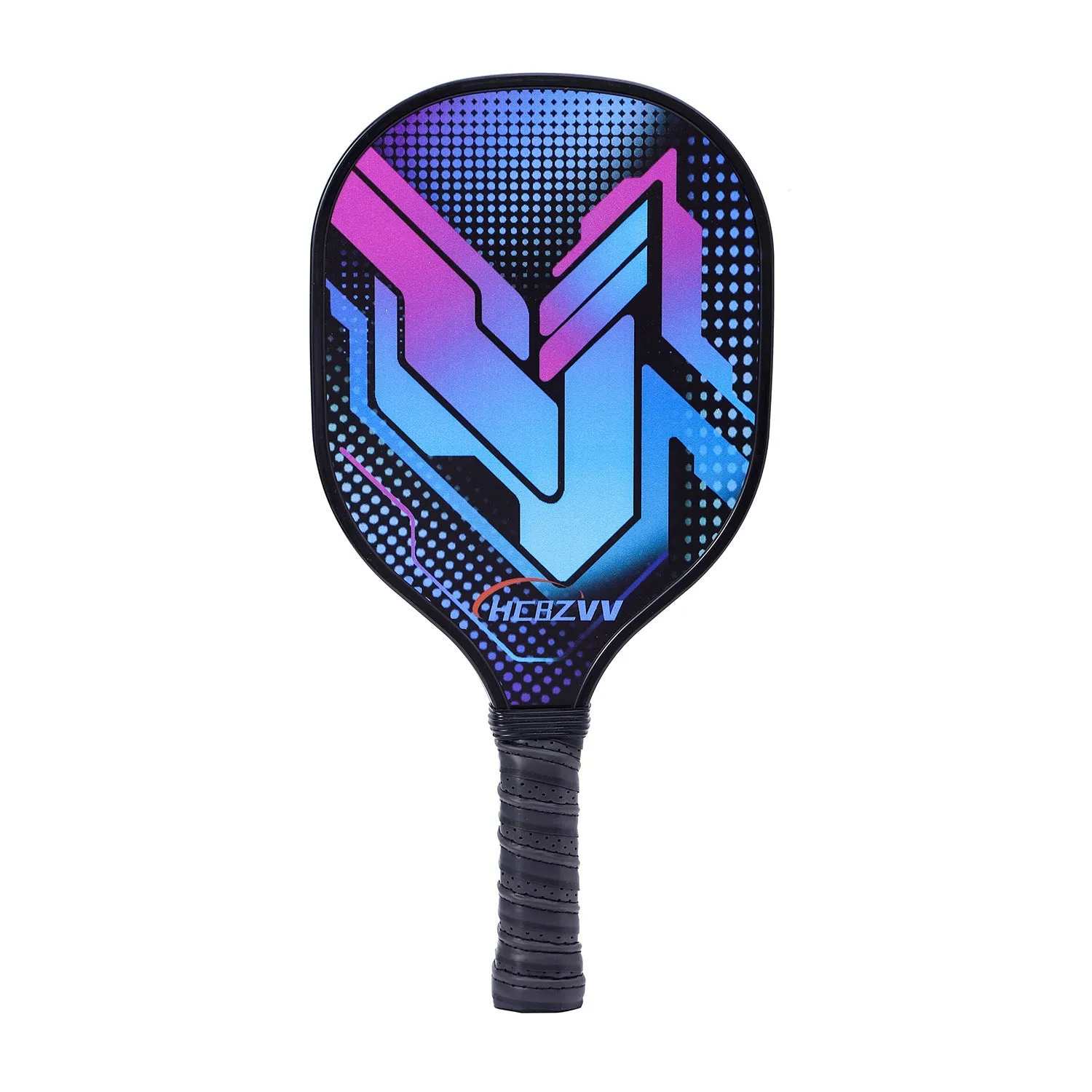
Table tennis and pickleball racket made from wood for sports training and school PE lessons, suitable for adult beginners with multiple model options available


Table tennis and pickleball racket made from wood for sports training and school PE lessons, suitable for adult beginners with multiple model options available
Wooden Table Tennis and Pickleball Racket for Adult Beginners and Sports Training
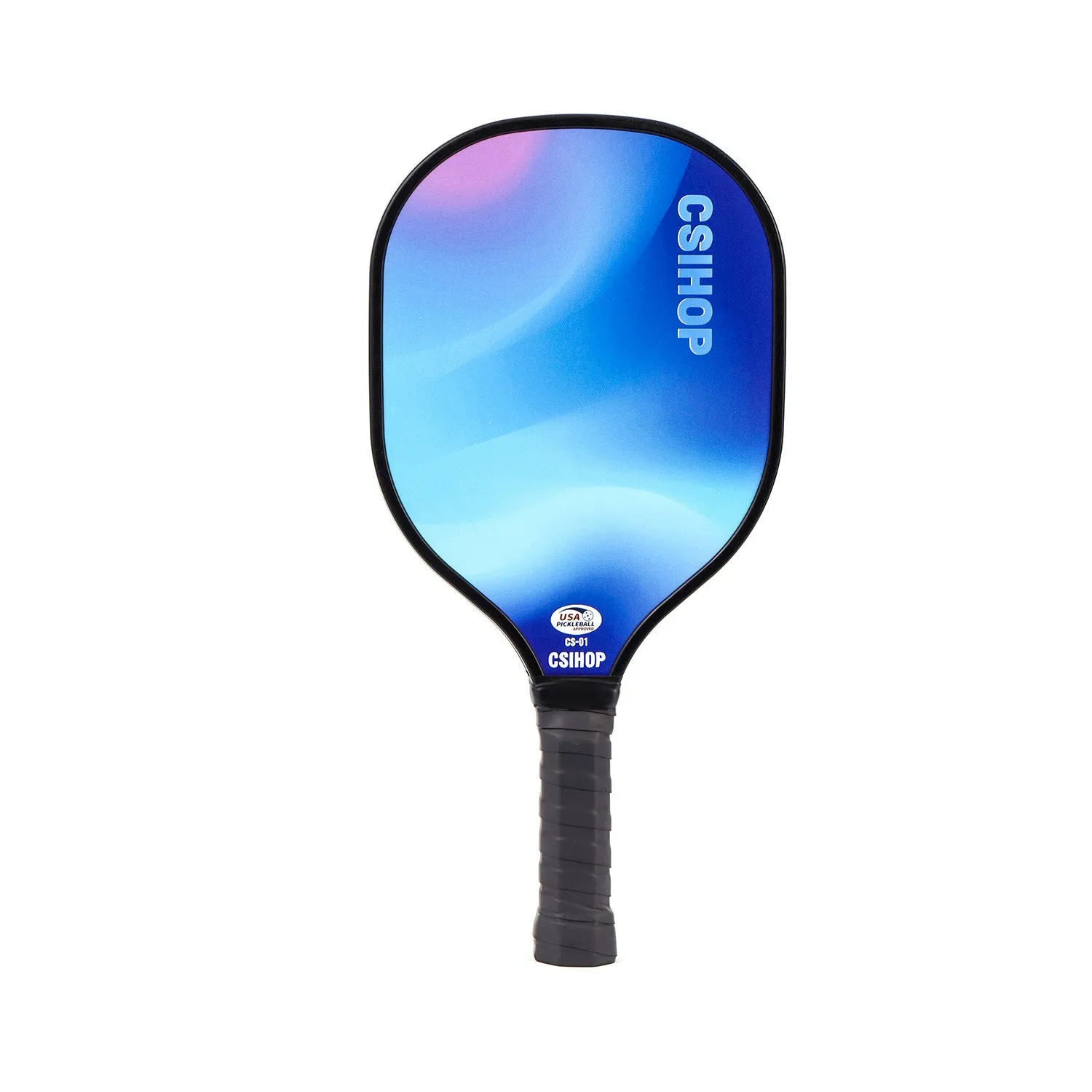
This wooden racket serves as a fundamental piece of equipment for two popular paddle sports: table tennis and pickleball. Its primary application lies within structured environments such as school physical education programmes, organised adult beginner classes, and general sports training sessions. The use of wood as the core material aligns with traditional, cost-effective equipment choices often deployed where multiple units are required, be it for a school sports cupboard, a community club, or a recreational centre. With a straightforward design and no-frills approach, it provides the essential tool needed to learn basic strokes and gameplay.
Features and Construction
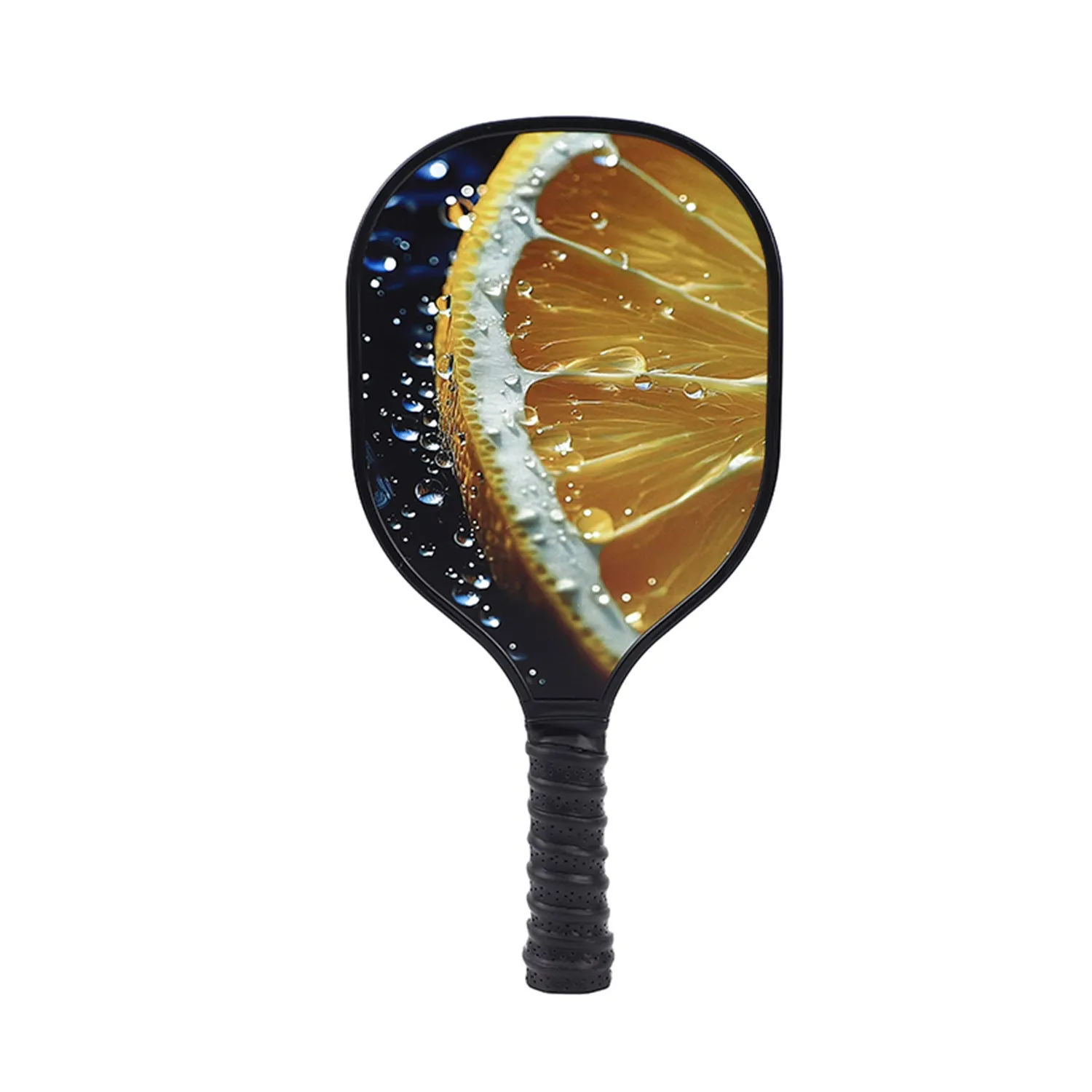
This racket is built with practicality and accessibility in mind, focusing on the core requirements for introductory play in both table tennis and pickleball.
Material and Build
The racket is constructed from wood. This material has a long history in racket sports, particularly for entry-level and training equipment. It provides adequate stiffness and a familiar feel for new players learning grip and stroke techniques. The wooden build is generally robust enough for the controlled impacts of beginner-level play in both sports, making it a reliable choice for repeated use in group settings.
Size and Practical Fit
The source information specifies the product is designed for adults, indicating its proportions and grip size are scaled appropriately for adult hands. While exact dimensions and weight are not provided, this designation helps ensure the racket offers a suitable handling experience for its target user group, differentiating it from smaller, child-sized versions often found in the market.
Uses and Placement
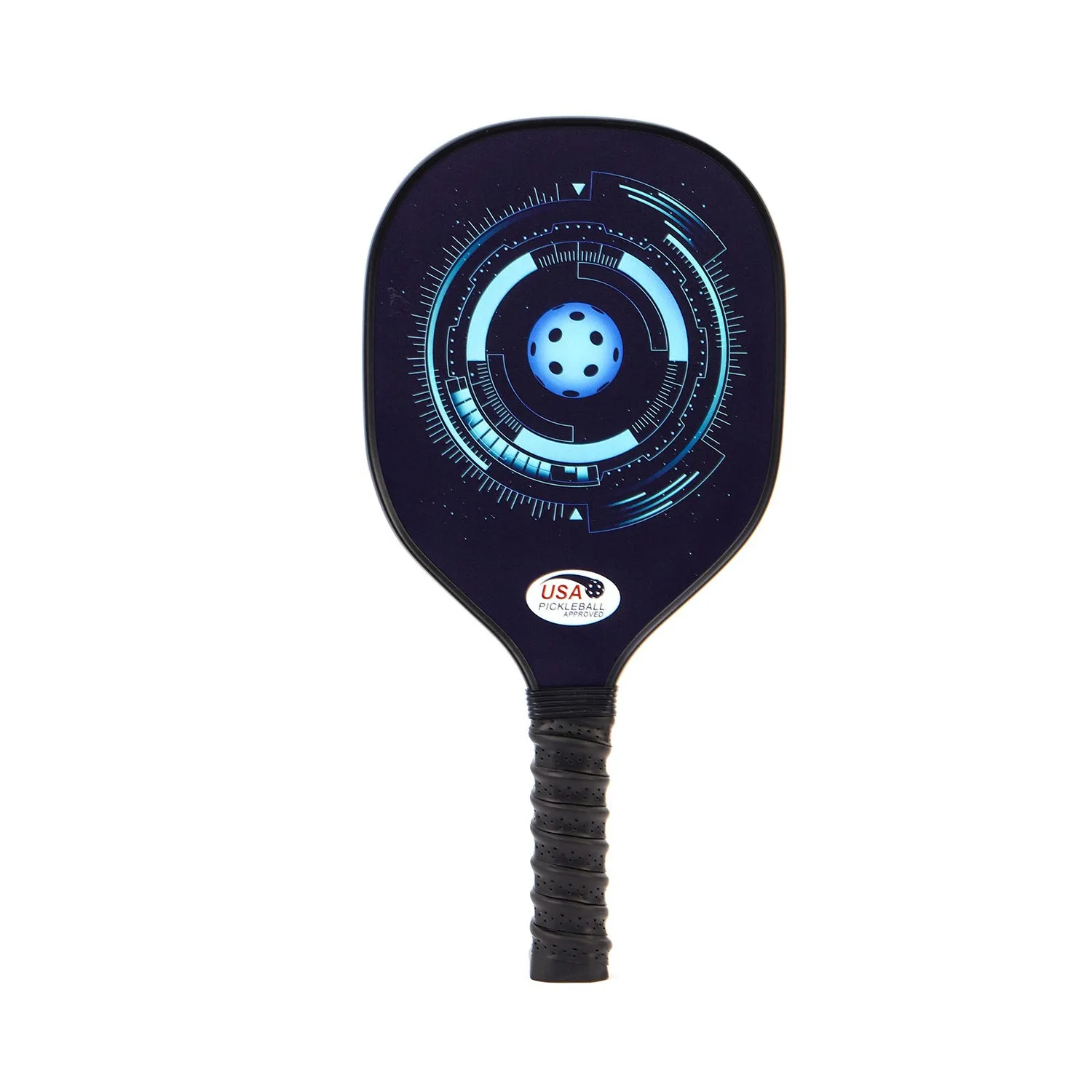
The dual-sport suitability and target user group define the key scenarios where this racket proves most useful.
Event or Professional Use
Within institutional or organised settings, this racket is a practical resource. Schools can utilise it for PE lessons covering racket sports, allowing a class of students to participate simultaneously. Coaches running introductory courses for adults in either table tennis or pickleball can employ these rackets as standard-issue training tools. Community centres and sports clubs can stock them for casual rental or drop-in sessions, providing accessible equipment for members.
Everyday Home Use
For the individual adult beginner, this racket offers a simple start point. Someone looking to try pickleball or table tennis recreationally, perhaps in a garden or garage setup, can use this racket to learn the basics without a significant initial investment. Its suitability for both sports also offers flexibility for households interested in multiple activities, serving as a single equipment solution for casual play.
Benefits and Buying Value
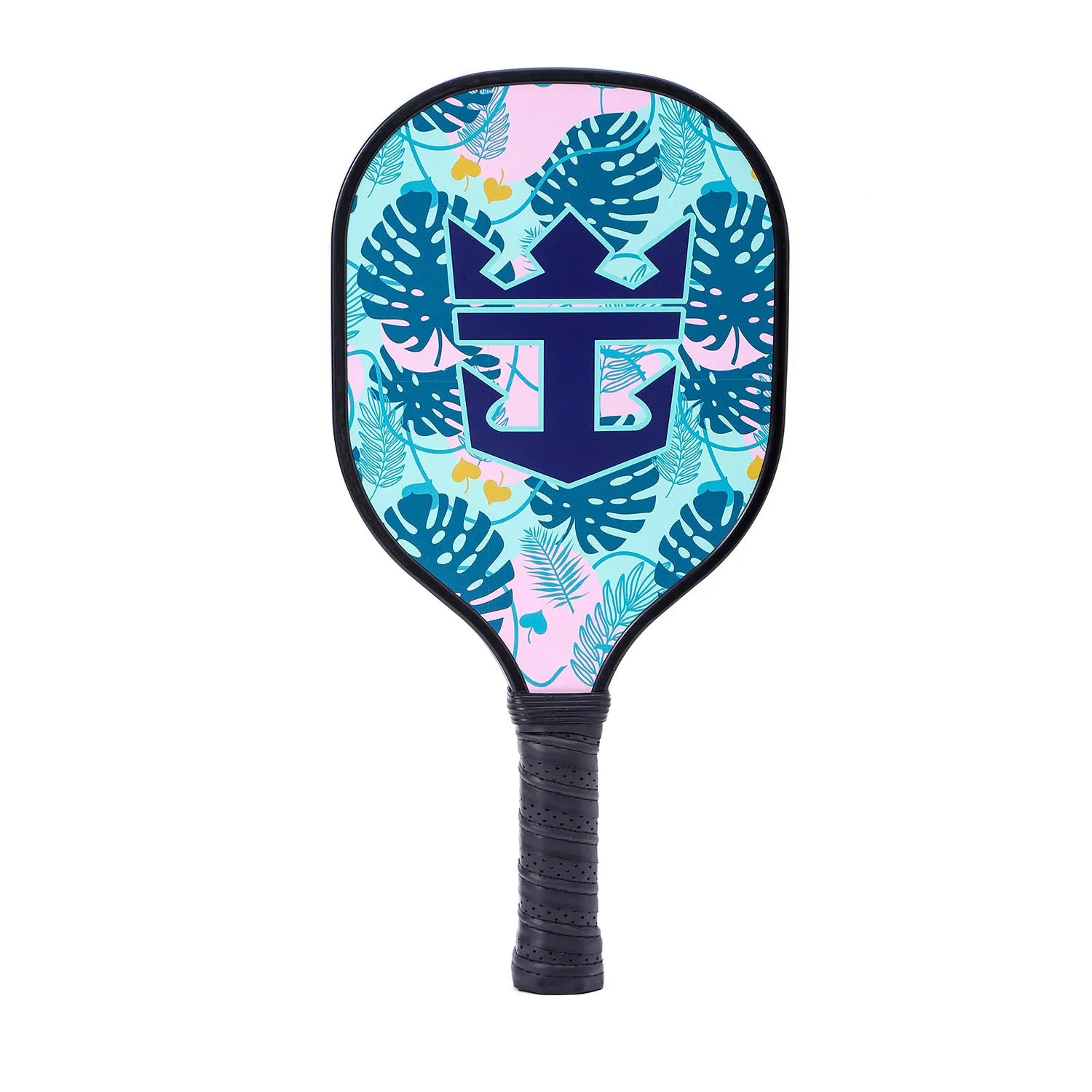
The value of this product stems from its focused design, material choice, and intended application scenarios.
Reuse and Low Maintenance
Wooden sports equipment, when used within its design parameters, is known for requiring minimal upkeep. There are no complex components to adjust or replace. A simple wipe-down after use is typically sufficient. This low-maintenance aspect is particularly valuable in institutional settings where staff time is limited, and equipment needs to be ready for the next group of users with minimal fuss.
Why Choose This Product
Choosing this racket is a decision based on practicality and defined need. It is the appropriate choice for buyers seeking no-nonsense, group-use equipment for adult beginners in either table tennis or pickleball. The wide range of model codes (Wooden 6501 to Wooden 6540) suggests options within the line, potentially catering to slight variations in colour, finish, or minor design details, allowing for basic differentiation. Its value lies in fulfilling a specific, functional role in training and introductory play environments.