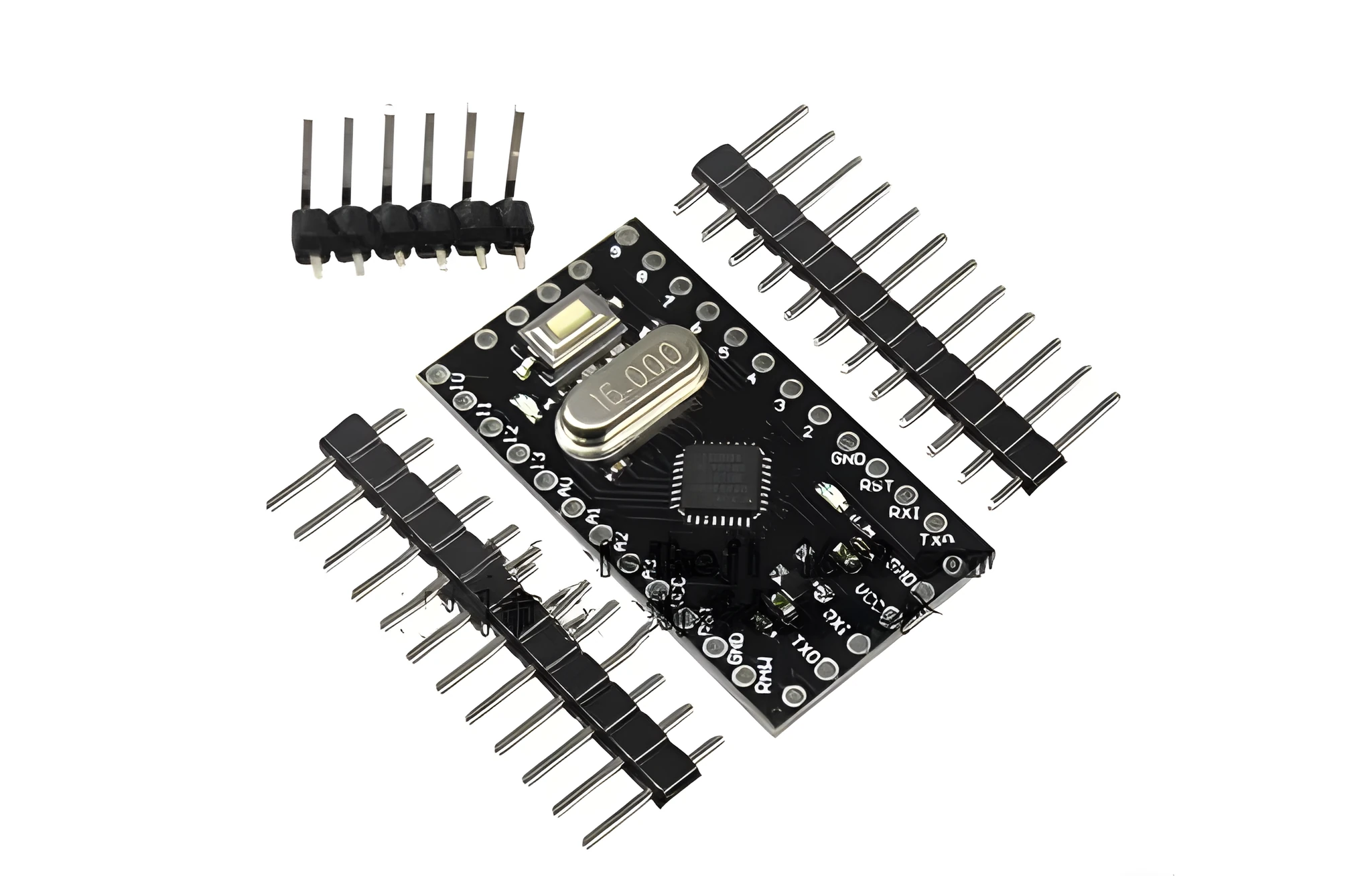
Mini Pro ATMEGA328P microcontroller development board with 14 digital I/O pins, 6 PWM outputs, 8 analog inputs, 16MHz clock, and serial download support for Arduino projects and circuit prototyping


Mini Pro ATMEGA328P microcontroller development board with 14 digital I/O pins, 6 PWM outputs, 8 analog inputs, 16MHz clock, and serial download support for Arduino projects and circuit prototyping
Mini Pro ATMEGA328P Development Board with 14 Digital I/O Pins and 8 Analog Inputs
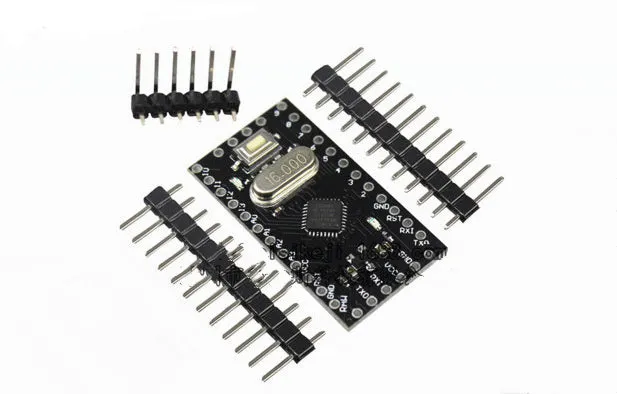
The Mini Pro ATMEGA328P represents a professional-grade microcontroller development board designed for electronics enthusiasts, educators, and prototyping professionals. Measuring just 33.3mm by 18.0mm, this compact circuit board packs comprehensive microcontroller functionality into a minimal footprint while maintaining full compatibility with Arduino development environments and programming methodologies. At its core lies the Atmel Atmega328P-AU microcontroller, the same processor found in many popular development platforms, ensuring reliable performance and extensive software library support. The board's design prioritises practical implementation with pre-soldered pin headers that eliminate soldering requirements for immediate use in breadboard testing or permanent installations.
Features and Construction

This development board combines essential microcontroller features with a streamlined physical design that balances capability with accessibility. The 33.3mm x 18.0mm dimensions make it suitable for space-constrained projects while still providing comprehensive I/O connectivity through its perimeter pin arrangement. The board includes all necessary components for standalone operation without requiring external oscillators or complex power regulation circuits beyond the specified input ranges.
Material and Build
The Mini Pro utilises a standard FR4 fiberglass printed circuit board as its substrate, providing durable mechanical support and reliable electrical insulation between traces. The Atmel Atmega328P-AU microcontroller is surface-mounted to conserve space while maintaining all 32KB of flash memory and 2KB of SRAM available to your programs. Metal pin headers are factory-soldered to all connection points, offering secure mechanical attachment points for jumper wires, breadboard connections, or direct soldering of external components. The 16MHz ceramic resonator provides accurate timing without the bulk of crystal oscillator circuits, contributing to the board's compact dimensions while ensuring stable operation across temperature variations.
Size and Practical Fit
With dimensions of 33.3mm in length by 18.0mm in width, the Mini Pro development board occupies minimal real estate within project enclosures or on prototyping breadboards. This compact form factor allows installation in tight spaces where larger development boards would be impractical, while still providing full access to all 28 available I/O pins through the perimeter header arrangement. The board includes mounting holes that accommodate standard M2 or M2.5 screws for secure attachment to project chassis or enclosures, preventing movement during operation or transport. Despite its small size, all pin labels remain clearly silkscreened beside their respective connections for straightforward identification during wiring and debugging sessions.
Uses and Placement

The Mini Pro ATMEGA328P development board serves multiple roles within electronics projects, from educational demonstrations to professional prototyping applications. Its combination of digital and analog I/O capabilities with PWM outputs makes it particularly suitable for control systems, sensor networks, and interactive installations where space constraints or power considerations are significant factors.
Event or Professional Use
In professional prototyping environments, this development board accelerates product development by providing a fully functional microcontroller platform that can be directly integrated into proof-of-concept designs. The 14 digital I/O pins with six PWM-capable outputs enable control of motors, servos, LEDs, and relays in automation systems, while the eight analog inputs facilitate precise sensor monitoring for environmental conditions, user interfaces, or process variables. The board's support for external DC power from 3.3V to 12V allows direct integration with existing power supplies in industrial control panels or exhibition installations, eliminating the need for voltage regulation stages in many applications. Serial communication via the dedicated RX/TX ports enables data logging, remote monitoring, or integration with supervisory control systems without consuming general-purpose I/O resources.
Everyday Home Use
For hobbyists and home electronics enthusiasts, the Mini Pro offers an accessible entry point to microcontroller programming without the bulk and expense of larger development kits. The board's compatibility with Arduino development tools and libraries simplifies the creation of home automation systems, weather stations, or interactive art projects using familiar programming paradigms. The 9V battery power option enables portable implementations for remote sensor nodes, robotic platforms, or temporary installations without requiring mains power access. The serial download capability allows programming directly from most computers via USB-to-serial adapters, eliminating the need for dedicated hardware programmers and reducing the initial investment required to begin developing microcontroller applications.
Benefits and Buying Value
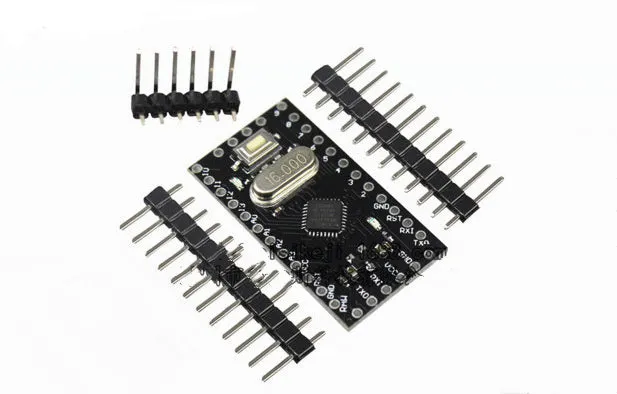
The Mini Pro development board delivers practical advantages through its balanced combination of capability, size, and implementation flexibility. By incorporating essential microcontroller features in a compact format with pre-installed connection hardware, it reduces both the physical footprint and assembly time required for functional prototypes or final products.
Reuse and Low Maintenance
This development board promotes component reuse through its durable construction and standardised pin configuration. The FR4 PCB material resists warping and mechanical stress during repeated handling, while the surface-mount microcontroller and resonator maintain reliable electrical connections without solder joint fatigue common in through-hole designs. The pre-soldered pin headers eliminate the most common point of failure in DIY microcontroller projects—poorly executed soldering—while still allowing replacement if damaged through misuse. The board's design minimises heat generation through efficient power regulation, extending component lifespan during continuous operation in embedded applications where reliability is paramount.
Why Choose This Product
The Mini Pro ATMEGA328P development board stands out through its specific combination of the widely-supported Atmel Atmega328P microcontroller with a physically compact implementation that doesn't sacrifice I/O capabilities. Unlike many miniature development boards that reduce pin counts to achieve smaller sizes, this board provides the full 28 I/O pins of the standard ATmega328P package, ensuring compatibility with existing code libraries and example projects. The inclusion of both digital and analog I/O in these dimensions makes it particularly suitable for sensor-dense applications where space constraints previously forced compromises in functionality. The board's direct support for 9V battery operation alongside regulated DC inputs provides implementation flexibility that many competing products achieve only through external adapter circuits.