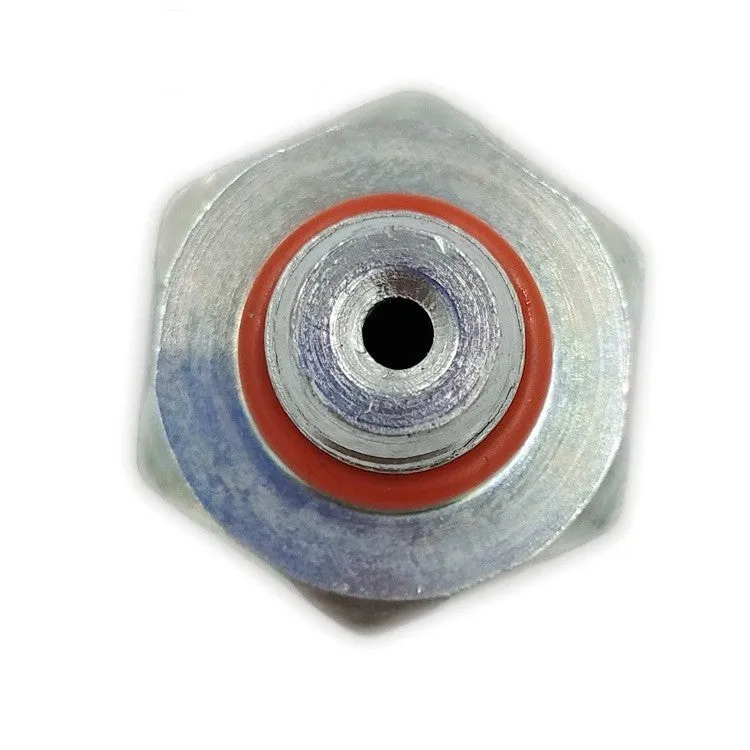
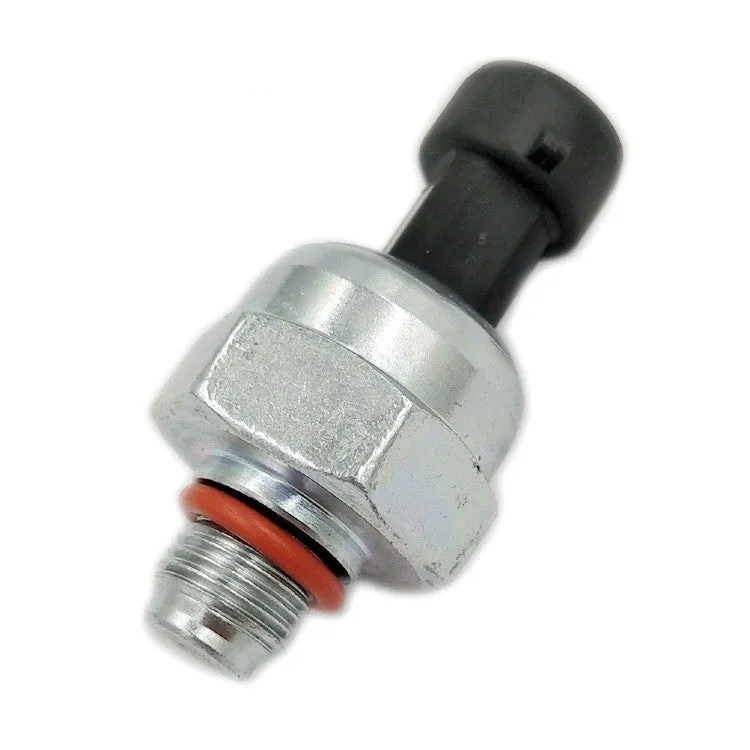
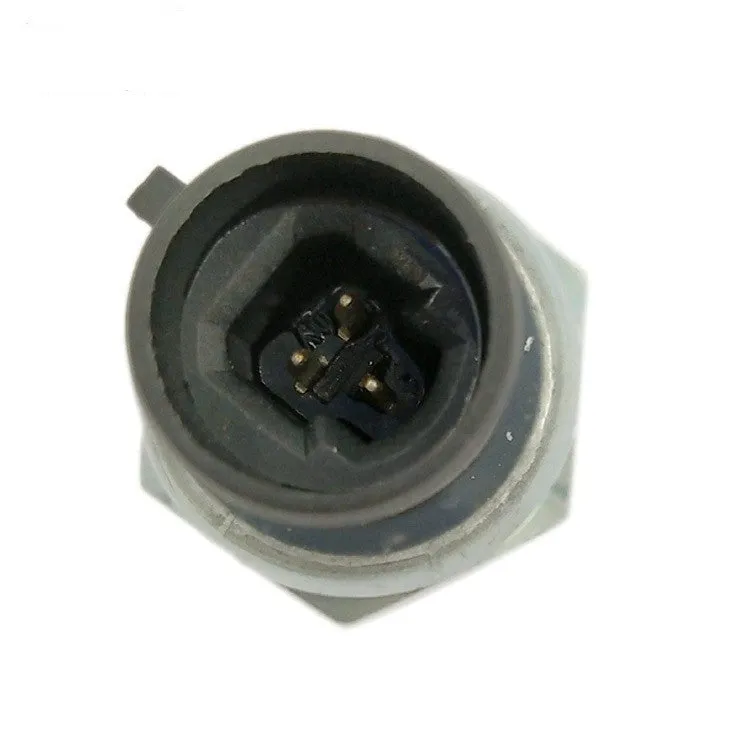
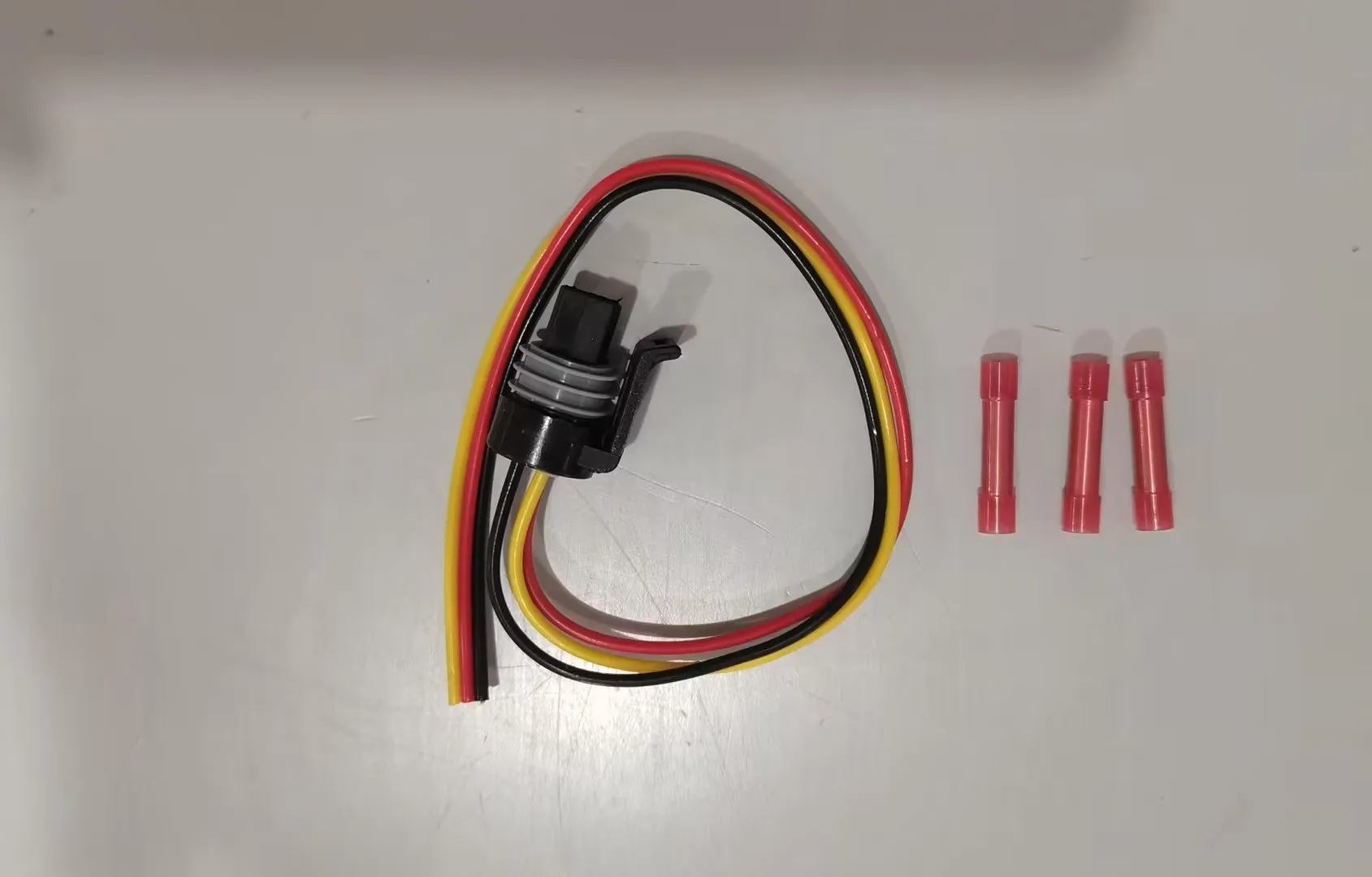
Ford pressure sensor for F-Series vehicles, suitable for F4 and F6 common rail systems, engine part number F6TZ-9F838-A, includes connecting line for straightforward installation, colour as shown in the picture, supplied as a set.


Ford pressure sensor for F-Series vehicles, suitable for F4 and F6 common rail systems, engine part number F6TZ-9F838-A, includes connecting line for straightforward installation, colour as shown in the picture, supplied as a set.
Ford F6TZ-9F838-A Pressure Sensor for F4 and F6 Common Rail Systems
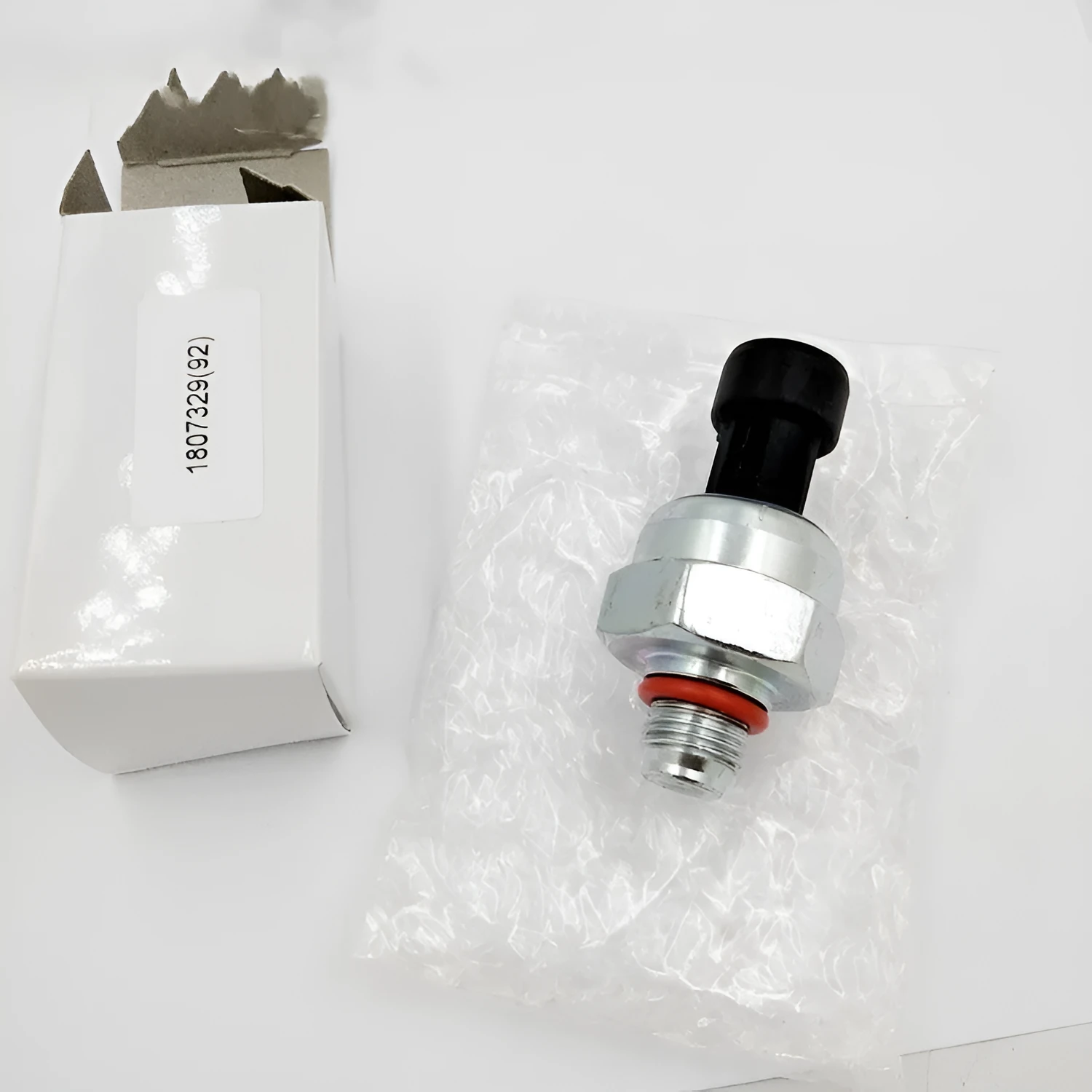
This pressure sensor is a genuine replacement part specified for use on select Ford F-Series vehicles. Identified by the Ford part number F6TZ-9F838-A, it is designed to be compatible with F4 and F6 common rail fuel systems. Its primary function is to monitor pressure levels within the fuel rail, providing critical data to the vehicle's engine control unit to maintain efficient combustion and performance. The product is sold as a complete set, which includes the sensor unit itself and the necessary connecting line, ensuring you have all the required components for the replacement task. This specification makes it a practical choice for mechanics, automotive technicians, or knowledgeable vehicle owners seeking a direct-fit component for their Ford truck or van.
Features and Construction
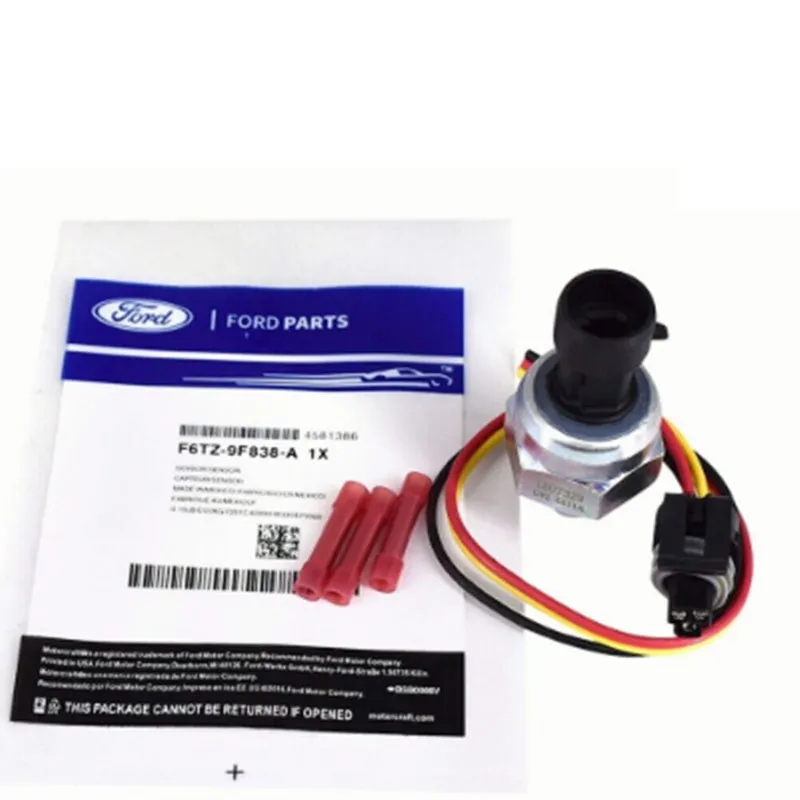
The Ford F6TZ-9F838-A pressure sensor is built to match the original equipment manufacturer's specifications for its intended applications. Its design focuses on providing a reliable signal corresponding to the fuel pressure within the common rail system.
Material and Build
The sensor is constructed from materials typical for automotive engine bay components, including a durable housing to protect the internal sensing element from heat, vibration, and exposure to fuel. The included connecting line features automotive-grade wiring with appropriate insulation and connectors designed to interface securely with the vehicle's wiring harness, ensuring a stable electrical connection that is resistant to the under-bonnet environment.
Size and Practical Fit
As a direct replacement part, the sensor is engineered to the same physical dimensions and mounting specifications as the original unit it is designed to supersede. This allows for a straightforward swap-out during repair or maintenance procedures. The connecting line is of a predetermined length suitable for routing within the engine bay of the applicable Ford models, facilitating a tidy and functional installation.
Uses and Placement

This sensor serves a specific technical role within the vehicle's fuel management system, making it relevant for particular repair scenarios and vehicle models.
Event or Professional Use
For professional automotive workshops and mobile mechanics, this sensor is a key inventory item for servicing Ford F-Series trucks and vans equipped with F4 or F6 common rail engines. It addresses fault codes related to fuel pressure sensor circuits and is used in both reactive repairs and preventative maintenance schedules to ensure vehicle reliability and adherence to emission standards.
Everyday Home Use
For the experienced DIY enthusiast with the correct tools and diagnostic equipment, this sensor provides a cost-effective solution for a targeted repair. Replacing a faulty pressure sensor can resolve issues such as poor fuel economy, reduced engine power, or an illuminated check engine light on a compatible personal or work vehicle, restoring its drivability and efficiency.
Benefits and Buying Value
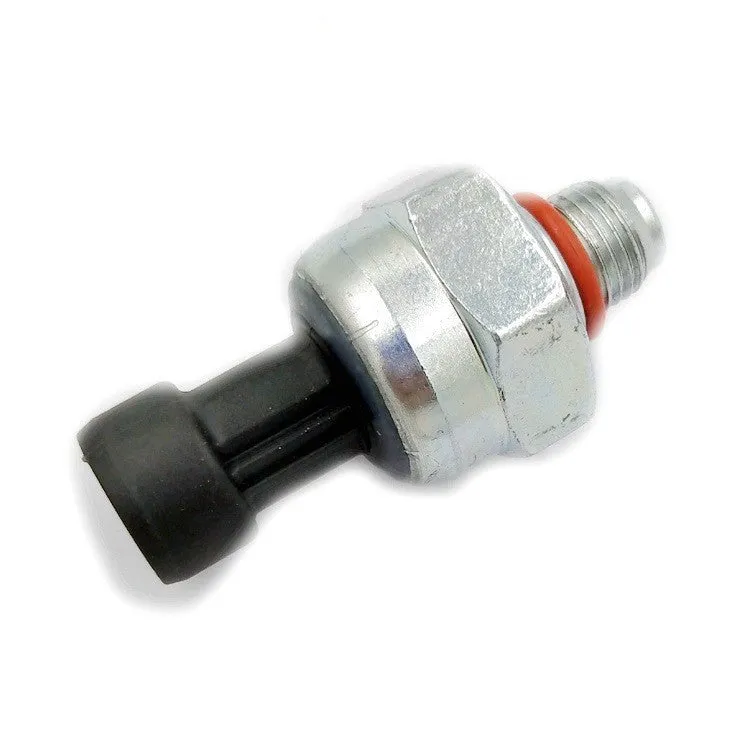
Choosing this specific part offers several practical advantages centred on compatibility, completeness, and convenience for the installer.
Reuse and Low Maintenance
Once installed, the sensor requires no routine maintenance. Its value lies in its reliability as a replacement component, effectively restoring the factory-designed function of the fuel pressure monitoring system. By using a part numbered to Ford's specifications, you ensure the sensor's output signal is calibrated correctly for the vehicle's engine management software.
Why Choose This Product
The primary benefit of this product is its precise application fit. The inclusion of the connecting line as part of the set eliminates the need to source this item separately, reducing the risk of incorrect connections or compatibility issues. This completeness saves time during the repair process and provides confidence that all necessary components for the job are on hand, which is particularly valuable for professional workshops managing multiple repairs.