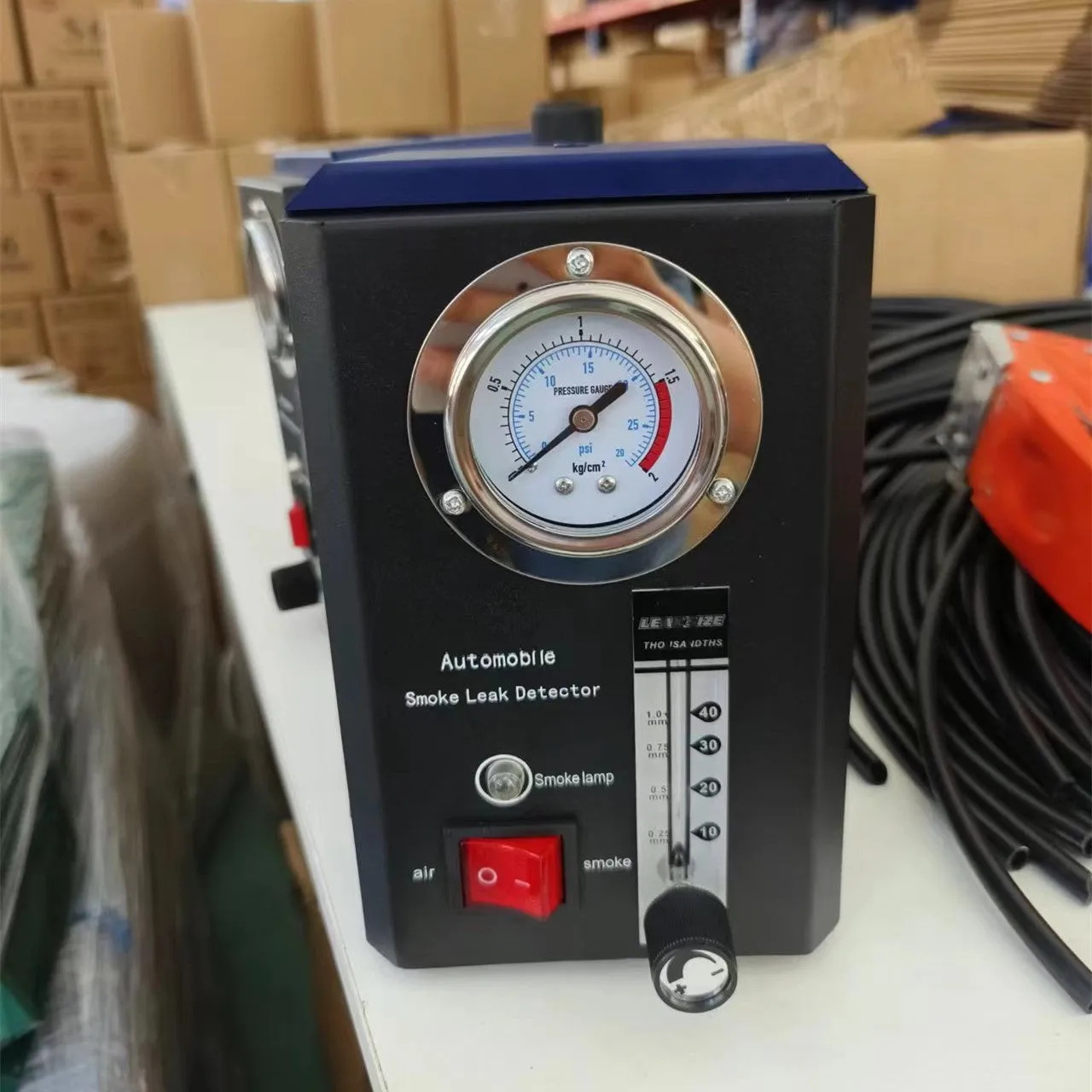
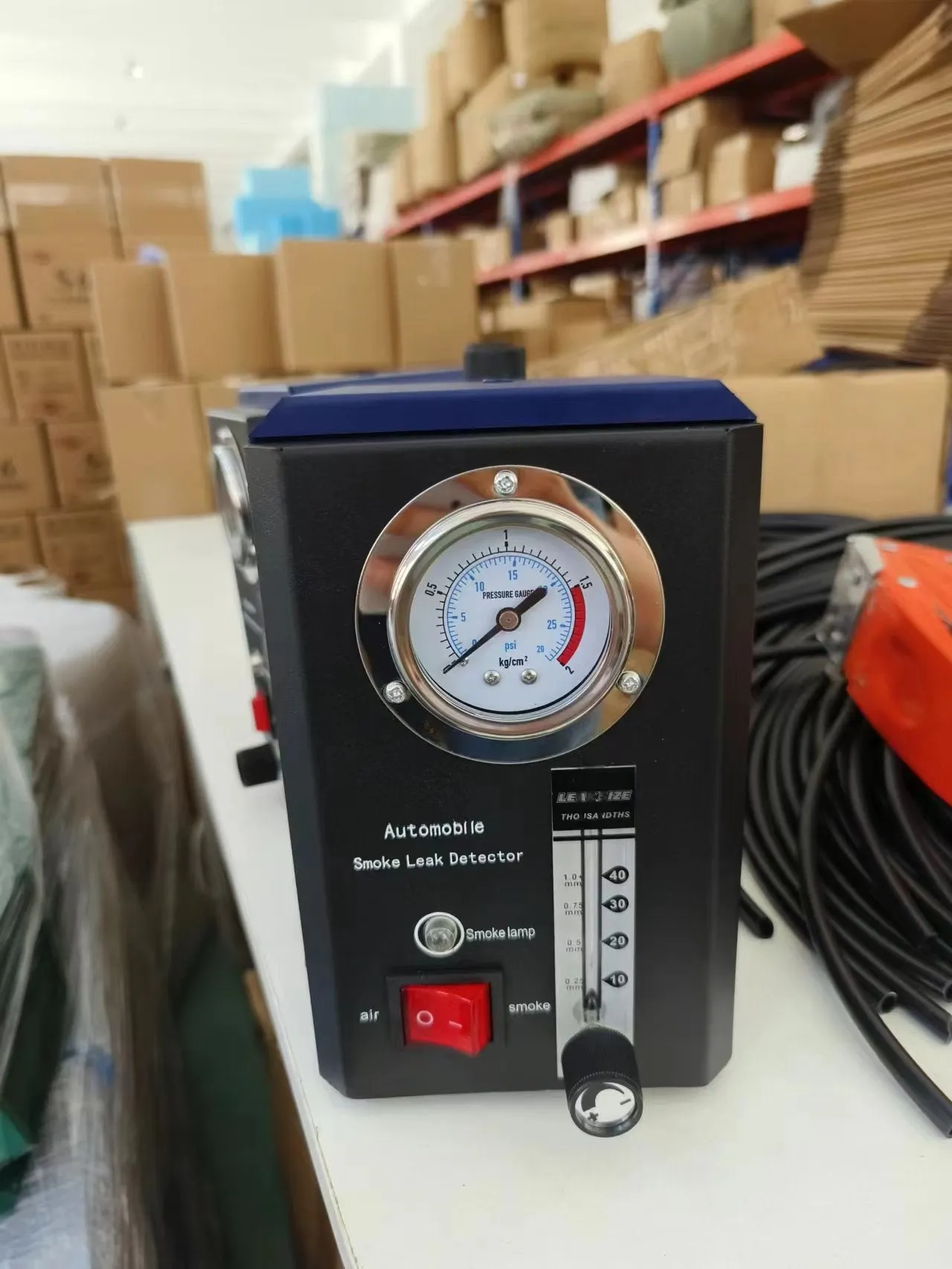
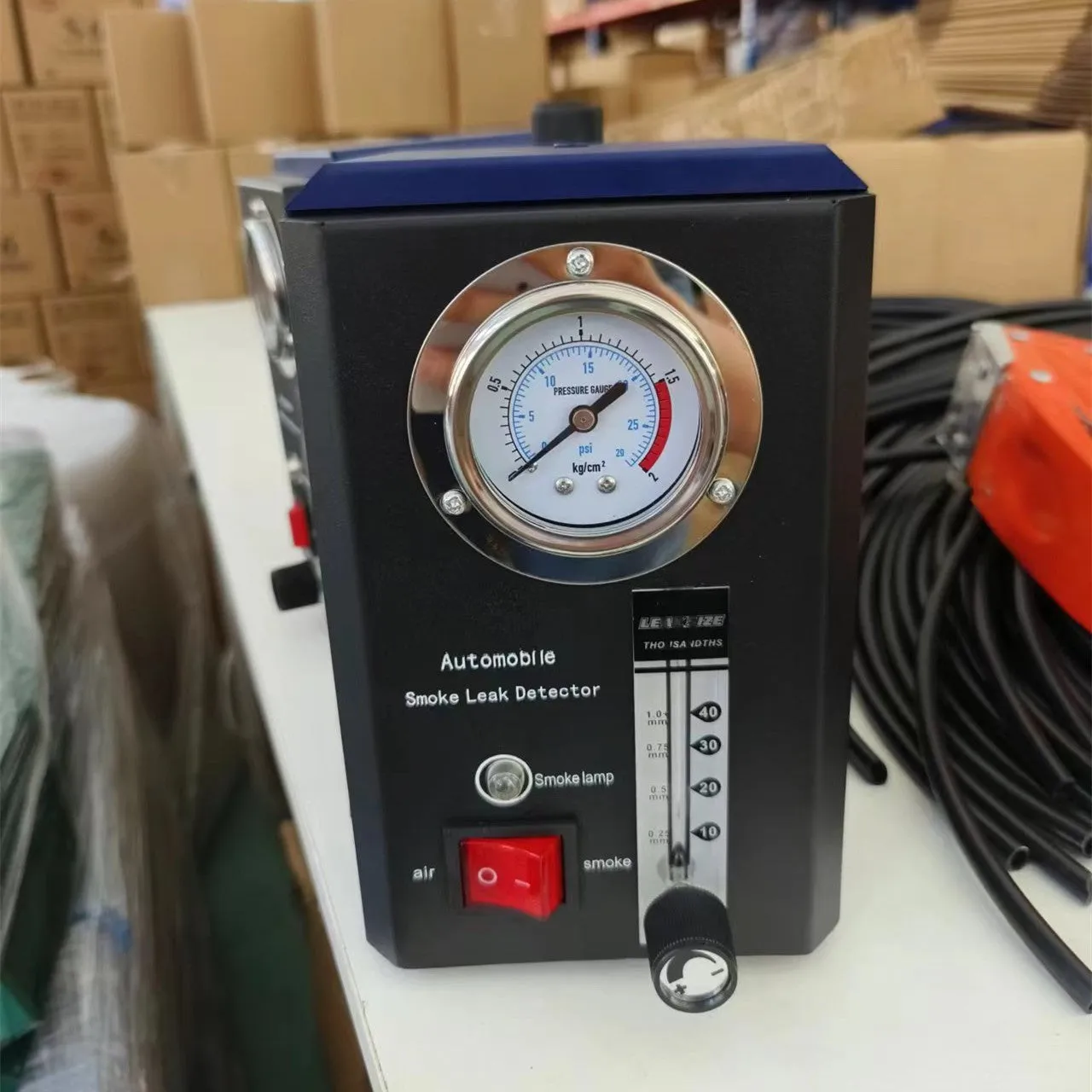
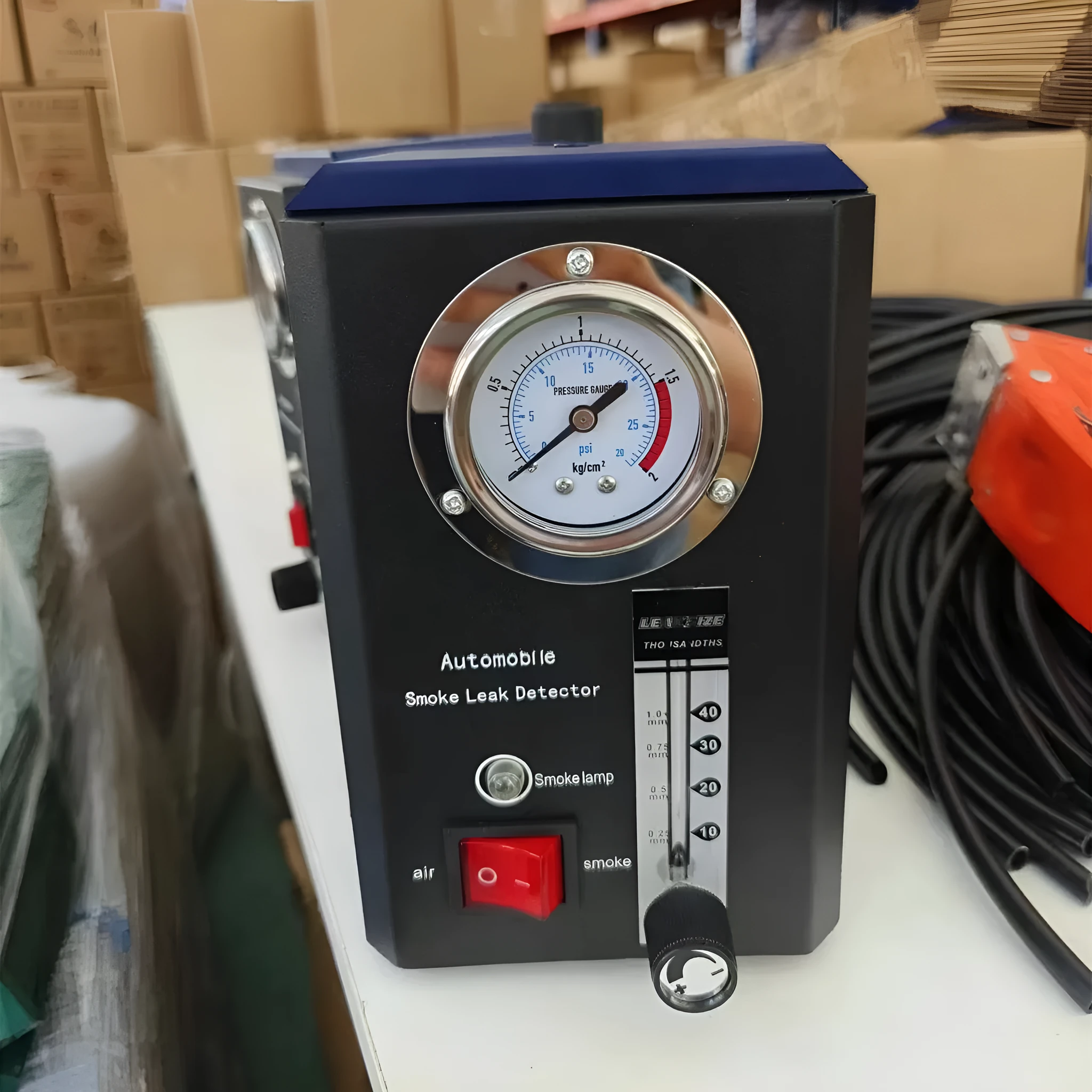
Car smoke leak detector for identifying engine vacuum leaks, a handheld diagnostic tool that generates smoke to pinpoint faults in intake systems, gaskets, and hoses, made from steel construction with a compact design for garage and workshop use.


Car smoke leak detector for identifying engine vacuum leaks, a handheld diagnostic tool that generates smoke to pinpoint faults in intake systems, gaskets, and hoses, made from steel construction with a compact design for garage and workshop use.
KT9105 Car Smoke Leak Detector: Handheld Diagnostic Tool for Engine Vacuum Leak Testing
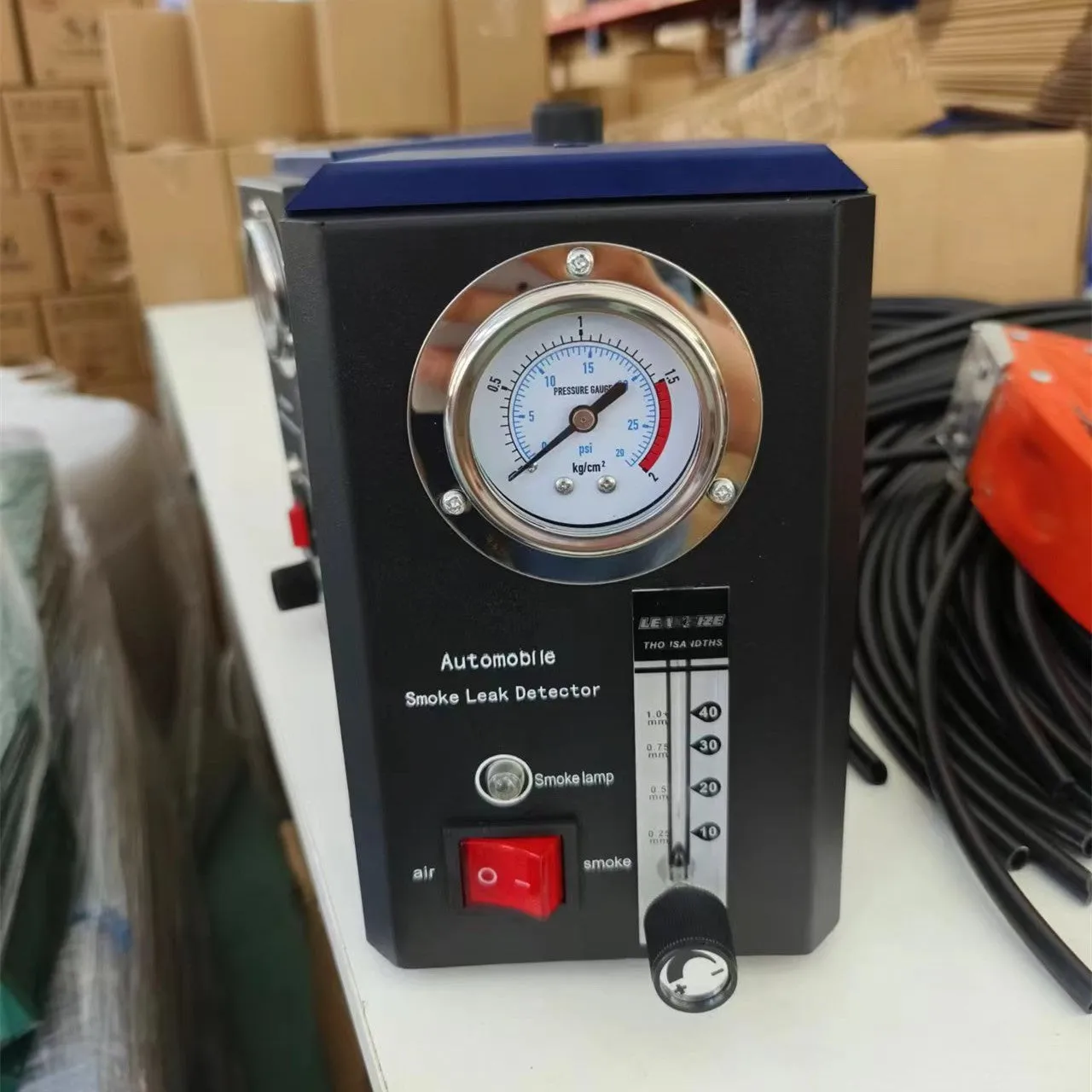
Identifying small vacuum leaks in modern engine management systems can be challenging with traditional methods, often leading to extended diagnostic times and unnecessary part replacement. The KT9105 Car Smoke Leak Detector addresses this specific workshop challenge by providing a visual confirmation method for locating air ingress points. This handheld diagnostic tool generates a controlled stream of smoke that, when introduced into the intake system, escapes through any leaks in hoses, gaskets, manifold seals, or other components. The result is a clear, visible indication of fault locations that helps mechanics and technicians diagnose drivability issues like rough idling, poor performance, and emission faults more efficiently. Its design focuses on practical workshop utility, constructed from steel to withstand regular use in professional and DIY garage environments.
Features and Construction
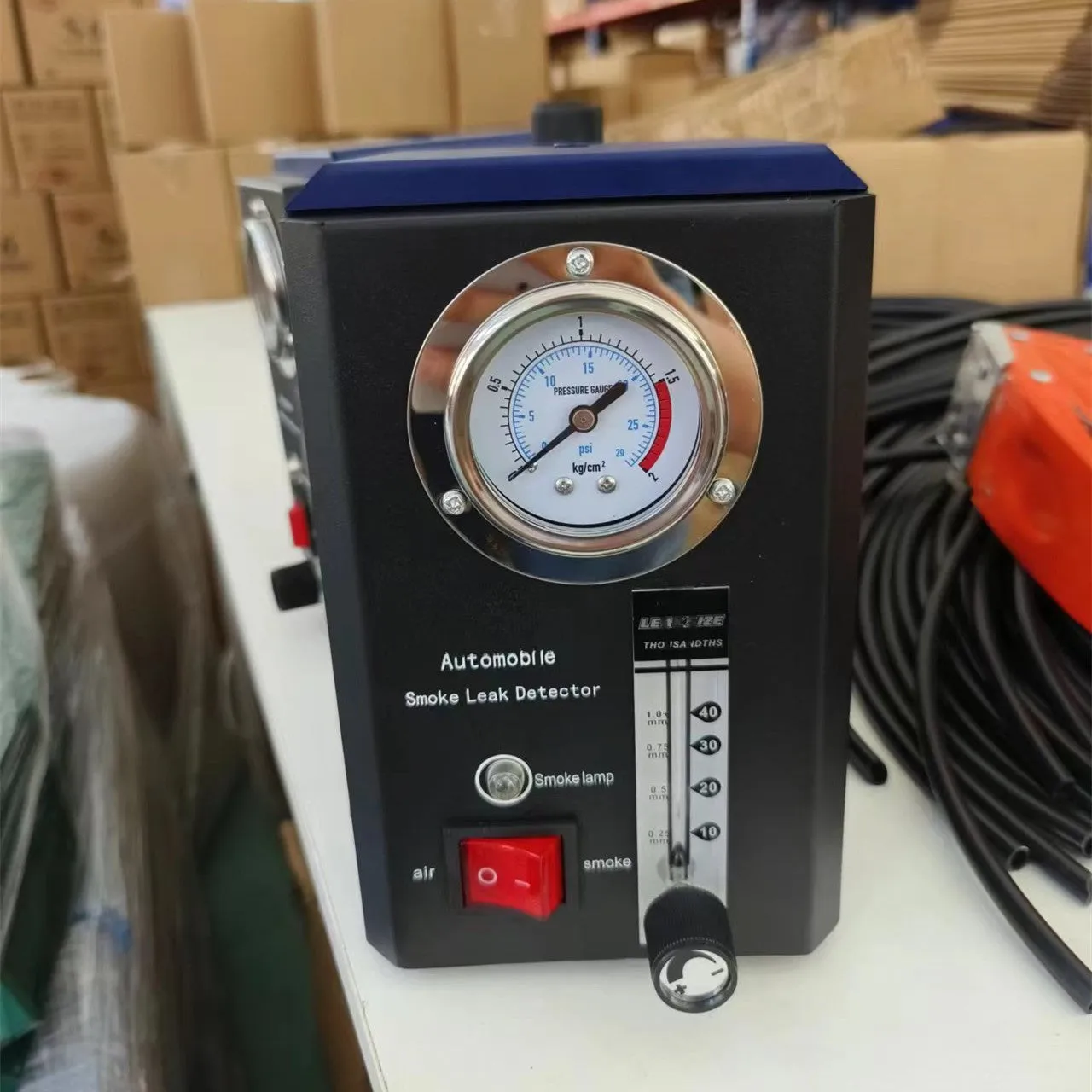
The KT9105 is built around its core function as a specialised fault detection device for automotive intake systems. Its value lies in simplifying a traditionally complex diagnostic process, turning an invisible air leak problem into a visible one. The tool's design prioritises straightforward operation and reliable performance in the conditions found in garages and home workshops.
Material and Build
The detector features a steel construction, which provides the necessary durability for a tool intended for workshop use. This material choice offers resistance to incidental knocks and helps maintain the device's integrity during handling around vehicles. The build is focused on functionality, housing the smoke generation mechanism and necessary connections in a format that is portable and manageable for testing various points in an engine bay. The source text specifies the model as KT9105 with English labelling or interface, indicating its primary market and user instructions.
Size and Practical Fit
While exact dimensions are not specified, the product is described as a handheld device, suggesting a compact and portable form factor. This size makes it practical for storing in a toolbox or service cart and for manoeuvring around engine components during testing. The handheld design implies it can be operated by a single user, connecting directly to vacuum lines or intake ports without requiring complex setup apparatus. Its application is noted specifically for BMW oil filter cover testing, indicating it includes or adapts to fittings suitable for this common test point, alongside generic use on other vehicle makes and models.
Uses and Placement
This tool serves a clearly defined role within automotive maintenance and repair workflows. It bridges the gap between basic diagnostic code reading and invasive mechanical investigation, offering a non-destructive testing method. Understanding its placement within different usage scenarios helps clarify its practical value for various users.
Event or Professional Use
In professional garage settings, the smoke leak detector accelerates the diagnostic process for symptoms commonly associated with vacuum leaks. These include persistent check engine lights related to fuel trim faults, unstable idle conditions, hesitation under acceleration, and failed emission tests. Technicians can use it to verify repairs after replacing components like intake manifold gaskets, throttle body seals, or vacuum hoses, ensuring no secondary leaks remain. For specific applications like the mentioned BMW oil filter cover test, it provides a direct method to check the integrity of this known failure point without relying solely on pressure testing or component substitution.
Everyday Home Use
For the experienced DIY mechanic, this detector offers a way to tackle intermittent drivability issues that are difficult to pin down with limited equipment. It transforms a complex diagnostic challenge into a more accessible process, potentially saving costs on misdiagnosed parts. A home user might employ it when experiencing classic vacuum leak symptoms on an older vehicle, testing common failure points like brake booster lines, PCV system hoses, and intake plenum gaskets before committing to disassembly. The visual nature of the test provides clear evidence, making it a valuable addition to a well-equipped home workshop focused on deeper mechanical troubleshooting.
Benefits and Buying Value
The value proposition of this tool centres on its ability to convert time and uncertainty into targeted, actionable information. It addresses a specific, recurring problem in automotive repair with a dedicated solution, rather than relying on generic tools or guesswork. This focused utility defines its place in a workshop's toolkit.
Reuse and Low Maintenance
As a durable steel-built diagnostic tool, it is designed for repeated use across multiple repair jobs and different vehicles. Unlike consumable testing methods, it represents a one-time investment that can be applied repeatedly whenever a vacuum leak is suspected. Maintenance is minimal, primarily involving keeping the unit clean and ensuring any smoke fluid reservoirs (if applicable) are replenished according to the manufacturer's guidance. Its simplicity means there are few components to fail, supporting long-term usability in both frequent professional and occasional DIY contexts.
Why Choose This Product
Choosing this specific smoke leak detector comes down to its stated purpose and construction. It provides a direct method for visual leak detection, which can be more intuitive and conclusive than interpreting pressure gauge readings or using chemical sprays. The KT9105 model specification indicates a particular design, potentially with fittings or functions tailored for certain applications like the BMW oil filter cover test. For users who regularly encounter vacuum-related faults, having a dedicated tool saves diagnostic time and increases repair confidence. Its value is in its specificity—it solves one problem very well, rather than being a multi-function device that compromises on core performance.